السودان يطالب 3 دبلوماسيين تشاديين بمغادرة البلاد خلال 72ساعة
السودان يطالب 3 دبلوماسيين تشاديين بمغادرة البلاد خلال 72ساعة
طالب السودان 3 دبلوماسيين في سفارة تشاد بمغادرة البلاد في غضون 72 ساعة.
وقالت وزارة الخارجية السودانية يوم الأحد في بيان نشرته وكالة الأنباء السودانية (سونا): “أخطرت وزارة خارجية جمهورية السودان وزارة الخارجية التشادية بقرار السودان إعلان 3 عاملين دبلوماسين بسفارة تشاد في السودان أشخاصًا غير مرغوب فيهم، وبالتالي عليهم مغادرة البلاد خلال مدة أقصاها 72 ساعة.
أخبار متعلقة
مجزرة جديدة للاحتلال.. 30 شهيدًا وعشرات المفقودين في قصف جباليا البلد
وسائل إعلام: الدفاعات الجوية السورية تتصدى “لعدوان إسرائيلي” في محيط دمشق
المعاملة بالمثل
وأضاف البيان، أن ذلك يأتي استنادًا إلى مبدأ المعاملة بالمثل، على خلفية إعلان تشاد 4 دبلوماسيين سودانيين في سفارة السودان في إنجمينا أشخاصًا غير مرغوب فيهم، وأمهلتهم 72 ساعة لمغادرة البلاد، وفقًا لصحيفة “الراكوبة” السودانية.
والمستبعدون التشاديون هم: هم إدريس يوسف عمر نائب رئيس بعثة تشاد لدى السودان، والعقيد نصر الدين محمدين روقي الملحق العسكري، ومحمد طاهر ترجوك الملحق الفني.
Migrant crisis: Meet the man identifying people who died trying to reach Europe | World News
Migrant crisis: Meet the man identifying people who died trying to reach Europe | World News
Pavlos Pavlidis leans back in the chair of his office, surveys several cardboard boxes on his desk and takes a deep draw of one of many cigarettes.
Pavlidis is a coroner at the hospital in Alexandroupolis, in northern Greece.
Since he started working here in 2000, he’s been carrying out post-mortems on migrants who’ve died trying to get into Greece, and then attempting to identify them.
“The cause of death is normally obvious,” he tells me. “The problem is finding out who they actually were.”
Within minutes of meeting him, he’s showing me photos to illustrate the difference between those who have died from drowning and hypothermia.
They are not for the squeamish, but he insists people should understand just how dangerous these crossings are.
“All these people – they were killed by migration,” he says.
He conducts a post-mortem to establish the causes of death (“it’s normally obvious,” he says, with a shrug) but Pavlidis also dutifully catalogues ways that the victim might be identified.
Some carry passports, but these gradually disintegrate in the water, along with other paper documents.
Please use Chrome browser for a more accessible video player
3:23
‘Mediterranean is becoming a mass grave’
All possessions are kept in sealed bags
The clothing they were wearing when found is photographed and so too are any tattoos or items of jewellery.
Everything is kept in a bag, marked with a unique reference number that tracks their case, from the first police report until eventually, a gravestone.
The bodies are kept at the hospital, either in a special area of the morgue or in refrigerated units that are, incongruously, positioned on a service road outside the building.
The idea is to hope that someone, somewhere, will register a missing person, get shown a photo of clothing or jewellery and come forward to put a name to the body.
The bags of possessions are in the boxes on Pavlidis’ desk, carefully sealed and kept for the day when a relative might suddenly appear.
Some are distinctive – a wooden crucifix pendant taken from a man who drowned; a bracelet proclaiming, “I BELIEVE”; notes from friends and family.
There is a baby’s dummy in one bag.
Pavlos believes that, occasionally, a family can be reunited with the body of the loved one they lost, that he can deliver closure: “An answer, even if it’s a bad answer,” as he calls it.
And then, as we talk, two people arrive outside his office – a Syrian family who now live in Germany.
A year before, their brother had tried to get into Greece from Turkey.
Please use Chrome browser for a more accessible video player
1:00
What happens to unidentified migrants?
Those with him said he reached dry land, but then thought he heard shooting, and jumped back into the water to hide.
The catastrophic problem was that the man was wearing all the clothing he could carry, and the water soaked them immediately. He drowned.
His sister contacted the Red Cross, who had already received photos from Pavlidis.
And one of those photos – of a distinctive zip-up jacket – looked familiar. It was her brother’s.
‘The body is outside in the refrigerator’
They come and sit in the office.
Pavlidis, calmly and with little ceremony, confirms some details.
“The body is outside in the refrigerator”, he says.
He shows them a photo. “Look at these shoes?”
“Yes, yes,” says his sister, through tears.
Another photo, this time of the clothing. Another nod. More quiet sobbing. It’s clear that it’s their relative, but they must be sure.
So, the woman is told to provide a DNA sample – a swab taken from inside her cheek and a few drops of blood from her finger.
Image: Pavlos Pavlidis (c), the Evros region coroner
It will be compared with the DNA sample taken from the body.
But the process is not quick. Pavlidis expects it to take a month.
The family, weary and glassy-eyed, had hoped for an answer within a couple of days.
“It will be him – I am 99% sure,” says Pavlidis, after the relatives have left.
On his shelves are 24 lever-arch files – one for each year since he started keeping records back in 2000.
“My focus is on the relatives, on doing what is best for them,” he says.
“The relatives must know what happened. It is…”, he pauses, “ethical.”
‘The Mediterranean is becoming a mass grave’
Thousands have already died this year crossing the Mediterranean to try to get to Europe.
“Europe has the highest number of dead and missing migrants in the world,” says Kathryne Bomberger, director-general of the International Commission for Missing Persons (ICMP).
“The Mediterranean is becoming a mass grave on a scale that has not been seen in the world before.”
The ICMP has long been at the forefront of using DNA to try to track down missing people, pioneered following the most appalling excesses of the Bosnian war.
“We started using DNA because of Srebrenica,” she says.
Image: The ICMP began using DNA to try to track down missing people after the Bosnian war
Now, they pursue people who have gone missing because of natural disasters, war, trafficking, crime, human slavery or, of course, migration.
They have helped to identify more than 20,000 people over the years.
Sometimes, after a natural disaster, a government will do everything it can to help arrange identification.
But when it comes to putting a name to migrants who’ve died while trying to get into Europe, the support is not there.
It is, says Bomberger, “an ad hoc” process: “I’ll be honest with you, there is no mechanism. All the things we hoped would be put into place still don’t exist.
“Every time there is a disaster like the ship that went down off Greece, we all scramble.”
‘We have a million ideas, but… it’s politics’
What she wants is structure and organisation, with the ability to share data and buy-in from governments.
“The DNA mechanisms and the data systems exist. We have a million ideas about how to ensure co-operation, but the governments need to take responsibility…it’s politics.”
So instead, like Pavlidis, she perseveres – working and waiting, helping and hoping.
Image: Kathryne Bomberger says the Mediterranean Sea is ‘becoming a mass grave’
An hour’s drive from Pavlidis’s busy hospital, and we are standing in a cemetery at the end of a dusty track on the outskirts of a remote Greek village.
The sun is setting, and the weeds are tall.
A praying mantis is idling on a leaf by my feet.
And all around us are hundreds of graves occupied by people who never saw this place in their lives.
Read more: 61 people found dead off Libyan coast Asylum seeker dies on Bibby Stockholm Increasing number of asylum seekers being granted work permits
Everyone buried here was a migrant, who died while trying to cross the nearby border with Turkey and so reach the promised land of the European Union.
And almost all of them are anonymous, their graves marked only by roughly-shaped stones covered in a rudimentary whitewash.
This is a cemetery of the unknown.
But each grave comes with a number, a story and a paper trail.
Look into these numbers, and you can find out where the body was found, how the person died, whether they had any distinguishing features, what they were wearing.
Image: Former local Imam, Mehmet Serif Damadoglu, helped to set up a new burial ground for migrants’ bodies, outside the village
The clues that might just lead to a name appearing on those blank headstones someday.
At one end of the cemetery, praying quietly, is Mehmet Serif Damadoglu.
For decades, he was the Imam and he still lives here, in Sidiro.
It was he who oversaw hundreds of ceremonies at the local mosque, where migrants’ bodies were wrapped, blessed and then taken for burial.
The small local cemeteries began filling up and the locals complained that they would have no space left for their own families, so Damadoglu helped to set up this new burial ground outside the village.
It is used only for migrants’ graves and there are now more people buried here than there are residents living in the village.
He is a man blessed with an easy smile and an enduring sense of faith in the world.
Image: The cemetery is used only for migrants’ graves
“For us, all that matters is that they were fellow human beings, and therefore they deserve our respect. That’s all. No matter where they came from, they are human beings.
“Whoever comes looking for their relative, we know that they lie there, in that cemetery. It is exclusively for them.
“The burial rituals we perform on them, there is no discrimination. All the rituals I performed for my father and my mother, the exact same rituals we perform for the migrants. They are neither inferior nor superior. We are equal.”
It’s an ideological position that has not always gone down well.
He tells an extraordinary story of holding a service for a young man whose body was badly decomposed.
The village opposed it, saying it was unsanitary and that, if it had to take place at all, it should be rushed.
Damadoglu was resolute: “I said to them – what if this was your son? Would you stop me?”
And then, on the day of the burial, the man’s sister arrived from Somalia.
The Imam told her not to open the shroud, to remember him as he was, but instead she undid the stitches and hugged her brother’s remains. It was a moment of closure – rare but precious.
And that is the hope that is symbolised by this cemetery on a hill. Blank gravestones that are waiting for a name.
بوتين يحذر من مشكلات مع فنلندا بعد أن "جرها الغرب إلى الناتو"
بوتين يحذر من مشكلات مع فنلندا بعد أن "جرها الغرب إلى الناتو"
(CNN)– حذّر الرئيس الروسي فلاديمير بوتين من أنه ستكون هناك “مشاكل” مع جارتها فنلندا بعد انضمامها إلى حلف شمال الأطلسي (الناتو) في وقت سابق من هذا العام.
كان انضمام فنلندا إلى حلف شمال الأطلسي بمثابة تحول كبير في المشهد الأمني في شمال أوروبا، وأضاف نحو 1300 كيلومتر (830 ميلاً) إلى حدود الحلف مع روسيا.
كما كانت هذه ضربة للرئيس بوتين، الذي حذر منذ فترة طويلة من توسع الناتو.
وقال بوتين في مقابلة نُشرت الأحد: “لقد أخذوا (الغرب) فنلندا وسحبوها إلى حلف شمال الأطلسي! لماذا، هل…
الاستخبارات الأوكرانية تعلن العثور على جهاز تنصّت في مقر لرئاسة الأركان
الاستخبارات الأوكرانية تعلن العثور على جهاز تنصّت في مقر لرئاسة الأركان
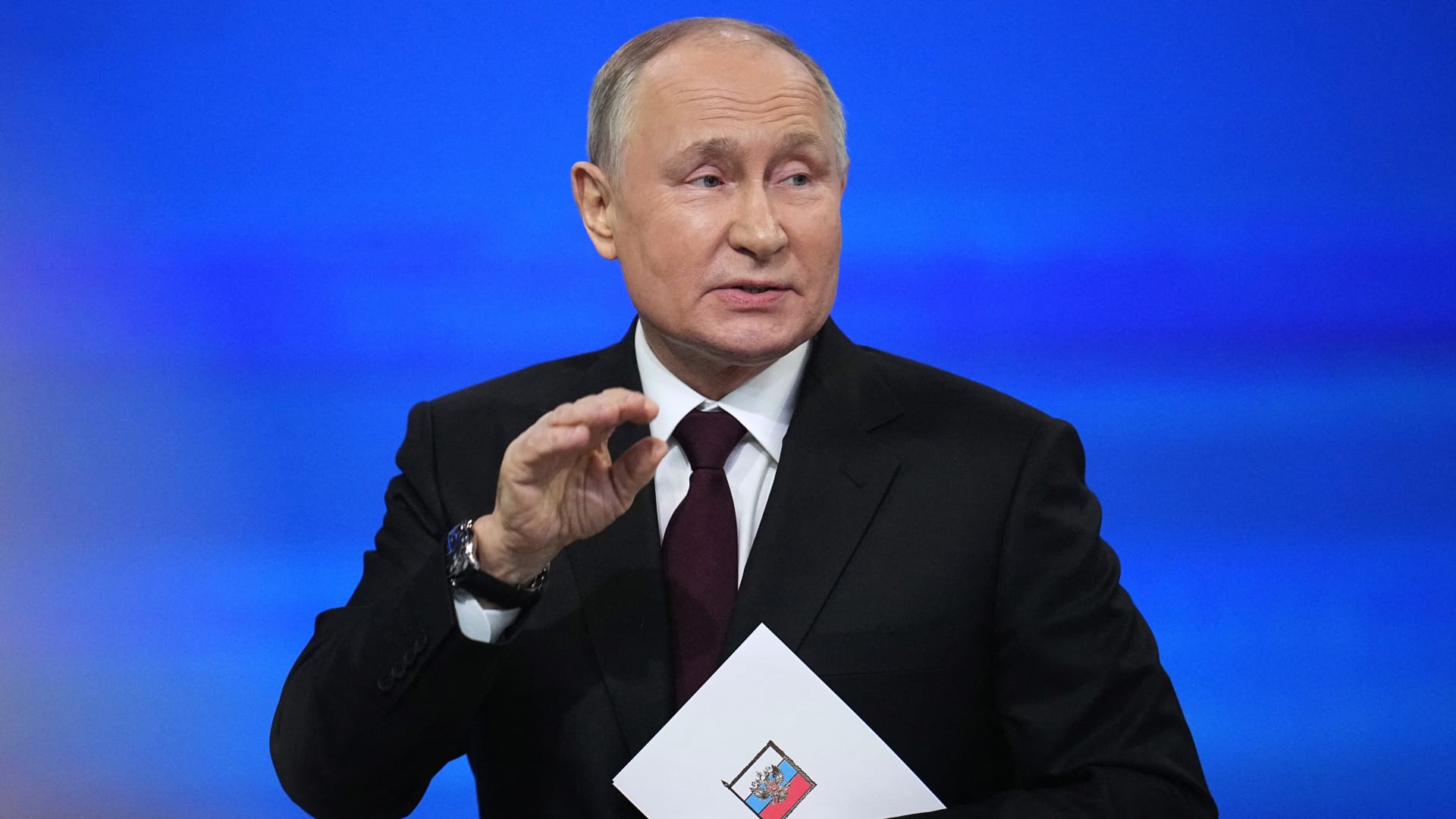
بوتين يتعهد بجعل روسيا «مكتفية ذاتياً» خلال ولايته المقبلة
تعهد الرئيس الروسي فلاديمير بوتين، الأحد، بجعل روسيا «قوة سيادية ومكتفية ذاتياً» في مواجهة الغرب، وذلك في أول خطاب له خلال حملته قبل انتخابات مارس (آذار) لتمديد حكمه حتى عام 2030 على الأقل. ونفى، من جهة أخرى، ما قاله الرئيس الأميركي جو بايدن عن أن روسيا ستهاجم دولة من دول حلف شمال الأطلسي في حالة تحقيق النصر في أوكرانيا، عادّاً ذلك «محض هراء».
وبوتين مرشح لولاية خامسة في انتخابات من دون معارضة حقيقية، تأتي بعد عامين ونيف من شنّ الهجوم في أوكرانيا. ووصل بوتين البالغ 71 عاماً إلى السلطة عام 2000، ولم يشهد جيل روسي كامل زعيماً غيره. ومن المرجح أن يمدد الاقتراع فترة حكمه حتى عام 2030 على الأقل، ويمنحه إمكان البقاء في الكرملين حتى عام 2036.
وقال بوتين خلال مؤتمر لحزب «روسيا الموحدة» الحاكم: «علينا أن نتذكر وألا ننسى أبداً ونقول لأطفالنا: إما أن تكون روسيا قوة سيادية ومكتفية ذاتياً، وإما أنها لن تكون موجودة على الإطلاق». وأكد أنه سيجعل «السيادة» أحد الأهداف الرئيسية لولايته الخامسة في الكرملين. وأضاف بوتين على وقع تصفيق أعضاء روسيا الموحدة: «لن نتخذ قراراتنا إلا بأنفسنا من دون نصائح أجنبية من الخارج». وتابع: «لا يمكن لروسيا أن تتخلى مثل بعض الدول عن سيادتها مقابل بعض النقانق، وتصبح تابعة لطرف ما»، في إشارة واضحة إلى أوكرانيا.
وقد دعم حزب «روسيا الموحدة» ترشيح بوتين بالإجماع، وألقى زعماء الحزب وشخصيات عامة خطابات تأييد له. ويرأس الحزب ديمتري مدفيديف الذي خلف بوتين في الرئاسة عام 2008، قبل عودة الأخير إلى الكرملين.
وأصبح مدفيديف واحداً من أكثر المسؤولين تشدداً في روسيا خلال الحملة العسكرية في أوكرانيا. تأتي انتخابات 2024 مع استمرار حملة موسكو في أوكرانيا لشتاء آخر، مع مقتل عدد كبير من الجانبين، وسط حظر انتقاد العملية العسكرية في روسيا.
«إثارة مشكلات داخلية»
وتؤكد روسيا أنها لا تتأثر بالضغوط الاقتصادية الغربية. واتهم بوتين الدول الغربية بالرغبة في «إثارة مشكلات داخلية» في روسيا، مستدركاً: «لكن مثل هذه التكتيكات لم تنجح»، وقال: «لا يزال أمامنا كثير لنفعله من أجل مصالح روسيا»، لافتاً إلى أن البلاد تواجه «مهام تاريخية». وتابع بوتين: «دعونا ندافع، مع كل الشعب الروسي، عن سيادة روسيا وحريتها وأمنها وكل ما هو عزيز علينا: تاريخنا وثقافتنا وقيمنا وتقاليدنا».
ومن جهته، قال مدفيديف: «ليس هناك أي شكّ في أن بوتين يجب أن يكون زعيماً في أصعب الظروف التي تمر بها بلادنا»، متحدثاً عن «أعداء خطيرين وخبيثين» في إشارة إلى الدول الغربية. وأشاد بقدرة روسيا على «مقاومة الضغوط الهائلة» من الغرب، مضيفاً: «كان الرد على تصرفات خصومنا هو صمود المجتمع الروسي ووحدته». ورأى الرئيس الروسي السابق أن فوز فلاديمير بوتين في مارس 2024 سيتيح له «التغلب أخيراً على القوى التي تهدد أمن وسيادة» البلاد. وقال أبتي علاء الدينوف، قائد «قوات أحمد» الخاصة لنظام رمضان قديروف في الشيشان: «لقد وهبنا الله قائداً… نحن الروس، لا نرى أنفسنا من دونه».
وسيجري التصويت وسط حملة قمع واسعة النطاق ضد المعارضة في روسيا. ويقضي المعارض السياسي الرئيسي لبوتين، أليكسي نافالني، حكماً بالسجن لمدة 19 عاماً. ودق حلفاء نافالني ناقوس الخطر الأسبوع الماضي مؤكدين انقطاع الاتصال به منذ 10 أيام، ورجحوا نقله إلى سجن آخر. ويقول فريقه إن نقله حدث بالتزامن مع بدء حملة بوتين.
«هراء»
وفي غضون ذلك، قال بوتين إن تصريحات الرئيس الأميركي عن أن روسيا ستهاجم دولة من دول حلف شمال الأطلسي في حالة تحقيق النصر في أوكرانيا هي «محض هراء»، مضيفاً أن روسيا لا مصلحة لها في خوض قتال مع حلف شمال الأطلسي.
وتسببت حرب أوكرانيا في أعمق أزمة في العلاقات بين موسكو والغرب منذ أزمة الصواريخ الكوبية عام 1962، بينما حذر بايدن العام الماضي من أن المواجهة المباشرة بين حلف شمال الأطلسي وروسيا ستفجر الحرب العالمية الثالثة. ولدى مناشدته الجمهوريين في وقت سابق من الشهر الحالي عدم قطع تقديم مزيد من المساعدات العسكرية، حذر بايدن من أنه إذا انتصر بوتين على أوكرانيا فإن الزعيم الروسي لن يتوقف، وسيهاجم إحدى دول حلف شمال الأطلسي.
وقال بوتين في مقابلة بثها التلفزيون الروسي الأحد: «هذا محض هراء… وأعتقد أن الرئيس بايدن يفهم ذلك»، مشيراً إلى أنها محاولة من بايدن لتبرير «سياسته المغلوطة» حيال روسيا. وأضاف: «لا سبب أو مصلحة… ولا مصلحة جيوسياسية أو حتى اقتصادية أو سياسية ولا عسكرية للقتال مع دول حلف شمال الأطلسي».
وتأسس حلف شمال الأطلسي بقيادة الولايات المتحدة في 1949 لتوفير الأمن الغربي ضد الاتحاد السوفياتي. وبعد انهيار الاتحاد السوفياتي في 1991، جرى توسيعه ليشمل بعض دول الاتحاد السوفياتي السابق ودول حلف وارسو.
ووصف بوتين مراراً توسع حلف شمال الأطلسي في مرحلة ما بعد الحرب الباردة بأنه دليل على طريقة متعجرفة ينتهجها الغرب في التعامل مع المخاوف الأمنية الروسية. وبموجب المادة الخامسة من معاهدة حلف شمال الأطلسي «تتفق الأطراف على أن أي هجوم مسلح ضد واحدة أو أكثر منها في أوروبا أو أميركا الشمالية يعد هجوماً ضدها جميعاً».
تحذير من «مشكلات» مع فنلندا
وحذّر بوتين من «مشكلات» مع فنلندا المجاورة بعدما انضمت إلى حلف شمال الأطلسي، معلناً أن موسكو ستنشئ منطقة عسكرية جديدة في شمال غربي البلاد ردّاً على هذه الخطوة. وتتشارك فنلندا حدوداً بطول 1340 كيلومتراً مع روسيا، وانضمت في أبريل (نيسان) الماضي إلى حلف شمال الأطلسي في أعقاب الغزو الروسي لأوكرانيا مطلع 2022.
ورأى بوتين في تصريحاته للتلفزيون الرسمي أن الغرب «جرّ فنلندا إلى (الناتو). هل كان لدينا أي خلافات معها؟ كل الخلافات، بما فيها تلك المرتبطة بالأراضي والعائدة إلى منتصف القرن العشرين، حُلّت»، وأضاف: «لم تكن ثمة مشكلات هناك، الآن ستصبح موجودة لأننا سننشئ منطقة لينينغراد العسكرية، ونركّز بعضاً من وحداتنا العسكرية هناك». وتأتي تصريحات الرئيس الروسي بعدما قامت فنلندا مجدداً هذا الأسبوع، بإغلاق حدودها مع روسيا، متّهمة موسكو بالتسبب بأزمة مهاجرين عند حدودها.
حرب باردة؟
وكان فشل الهجوم المضاد الذي شنته أوكرانيا هذا العام سبباً في إثارة التساؤلات في الغرب وداخل أوكرانيا حول مدى واقعية الأهداف الأوكرانية والغربية المتمثلة في هزيمة القوات الروسية في أوكرانيا. وتحدث مسؤولون في موسكو والغرب مراراً عن «حرب باردة جديدة» بين روسيا والصين من جهة والغرب من جهة أخرى. ورداً على سؤال حول كيفية إيجاد أرضية مشتركة مع الغرب في ضوء الخطابات من الجانبين، قال بوتين: «سيتعين عليهم إيجاد أرضية مشتركة لأنه سيتعين عليهم أن يحسبوا حسابنا».
وفي الشهر الماضي، قال مسؤول كبير بوزارة الخارجية الأميركية، تحدث شريطة عدم نشر اسمه، إن بوتين لن يصنع السلام قبل أن يعرف نتائج انتخابات نوفمبر (تشرين الثاني) في الولايات المتحدة.
وقال بوتين إن الغرب فشل في فهم مدى التغييرات التي أحدثها انهيار الاتحاد السوفياتي عام 1991، والتي قال إنها أزالت أي أساس آيديولوجي حقيقي للمواجهة بين روسيا والغرب. وقال بوتين، العميل السابق للمخابرات السوفياتية والذي اعتلى السلطة في 1999، عن انطباعاته عن العالم في عام 2000: «لقد كان لديّ انطباع ساذج حقاً». وقال بوتين: «الحقيقة هي أنهم بعد سقوط الاتحاد السوفياتي، رأوا أنه يتعين عليهم الانتظار قليلاً لتدمير روسيا بالكامل». ويصور بوتين الحرب على أنها جزء من صراع أكبر كثيراً مع الولايات المتحدة، والذي تقول نخبة الكرملين إنه يهدف إلى تقسيم روسيا والاستيلاء على مواردها الطبيعية الهائلة، ثم اللجوء إلى تصفية الحسابات مع الصين.
ويقول الغرب، الذي يرى في روسيا والصين التهديدين الرئيسيين له، إنه ليست لديه خطة لتدمير روسيا. وتقول أوكرانيا إنها لن تهدأ حتى يتم طرد آخر جندي روسي من أراضيها.
MP Leyla Moran worried family trapped in Gaza church will not survive one week before Christmas | Politics News
MP Leyla Moran worried family trapped in Gaza church will not survive one week before Christmas | Politics News
An MP who has family members she says are trapped in a church in Gaza is worried they will not survive until Christmas.
Layla Moran told Sky News that around 300 people are trapped inside the Holy Family Church complex in Gaza City, including her five relatives.
After contacting her family today, the Liberal Democrats’ foreign affairs spokesperson said that they have been sheltering at the Catholic church for more than 60 days and that Israeli forces will not allow them to leave.
Follow latest: IDF claims largest Hamas tunnel found to date
She also said those sheltering at the church told her that the IDF have used white phosphorus in the compound, and a sniper killed two women who went into the courtyard.
The IDF have previously denied using white phosphorus in Gaza and said in a statement that no evidence shows the two women were killed by a sniper.
Ms Moran said: “We do not understand why this happening.
“We do not understand why they couldn’t have given warning if they were doing it. We do not know what the endgame here is.
“And my ask of the Israeli government is please leave my family alone, but I would also say it makes a mockery of the suggestion that the Israeli army is protecting civilians. They’re not.
“From what I’m hearing from these eyewitness accounts, they are targeting them. That is deeply concerning.
“It’s not for me to make a judgement on whether or not that is lawful in these awful laws of war, that’s for the international criminal court.
“But what I would say is as a family member, we are heartbroken, we don’t know if they’re going to survive and it’s a week before Christmas.”
Read more: Moran say Gazans ask where they want to be when they die
Please use Chrome browser for a more accessible video player
2:50
Gaza ‘worsening by the hour’
Relative died from dehydration
Ms Moran’s extended family – a grandmother, her son, his wife and their 11-year-old twins – are Christian Palestinians who she says fled to the Holy Family Church after their home was destroyed in an IDF bombing.
She told Sky News a sixth relative, her 81-year-old “family member’s husband, a grandfather figure as it were, the oldest of them all”, died partly because of dehydration while sheltering at the church.
The MP also said “we haven’t got a clue” how long her family will be in the complex, and added: “They’ve been there 60 days, so if there were Hamas fighters there I don’t understand why it’s taken this long to say anything.
“But there has been no warning, there has been no leaflet drop, there has been no phone call to the father or the priest.
“We know they have his number, because today, they did manage to contact the priest and say that between the hours of 2pm and 4pm this afternoon, they wouldn’t shoot at people.”
Read more: Netanyahu is openly defying US – and they want him gone Hostages holding white cloth when IDF shot them Israelis urge government ‘act now’ over hostages
Image: Palestinians inspect the site of an Israeli strike on a house, amid the ongoing conflict between Israel and the Palestinian Islamist group Hamas, in Rafah, in the southern Gaza Strip, December 16, 2023. REUTERS/Ibraheem Abu Mustafa
Pope speaks after IDF sniper ‘kills two’ in church
The Latin Patriarchate of Jerusalem, an ecclesiastical office for the Latin Catholics across the region, also claimed the IDF killed two women at the Holy Family Church on Saturday.
In a statement, they said the women, which they identified as a mother and daughter, were walking to the Sister’s Convent when the shooting started.
“One was killed as she tried to carry the other to safety,” it said, adding that seven others were also shot and wounded in the attack at the complex.
The Pope lamented that “unarmed civilians are targets for bombs and gunfire” in response to the reports on Sunday.
During his weekly Angelus prayer, he said: “This has happened even within the parish complex of the Holy Family, where there are no terrorists, but families, children, people who are sick and have disabilities, sisters.
“Some are saying, ‘This is terrorism and war.’ Yes, it is war, it is terrorism. That is why Scripture says that ‘God puts an end to war… the bow he breaks and the spear he snaps’.”
The Israel Defence Force said in a statement to the BBC: “During the dialogue between the IDF and representatives of the community, no reports of a hit on the church, nor civilians being injured or killed, were raised.
“A review of the IDF’s operational findings support this.”