Astronauts accidentally drop toolbox during space walk – and you could see it from Earth | World News
Astronauts accidentally drop toolbox during space walk – and you could see it from Earth | World News
NASA astronauts accidentally dropped their toolbox during a walk around the International Space Station – and the floating kit could be visible from Earth.
Jasmin Moghbeli and Loral O’Hara spent six hours and 42 minutes outside the ISS as they carried out maintenance work.
But a satchel-sized bag floated away and is now orbiting the Earth, several minutes ahead of the space station.
It was even captured on camera by the pair’s Japanese colleague Satoshi Furukawa, who accidentally photographed the bag while taking a shot of Mount Fuji.
NASA said the tools were not needed for the remainder of the spacewalk.
Mission Control analysed the bag’s trajectory and determined the risk of recontacting the station was low, and that the onboard crew and space station were safe.
The bag has been classified as space junk and is expected to re-enter the Earth’s orbit in the coming months, but will likely burn up as it does so.
Image: Jasmin Moghbeli and Loral O’Hara pictured on the space walk. Pic: NASA
EarthSky said some people should be able to see it floating around with just a pair of binoculars.
“It’s surprisingly bright (for a tool bag), shining just below the limit of visibility to the unaided eye,” its website said.
There are believed to be around 100,000 items of orbital debris currently circling the earth.
Twitter
This content is provided by Twitter, which may be using cookies and other technologies.
To show you this content, we need your permission to use cookies.
You can use the buttons below to amend your preferences to enable Twitter cookies or to allow those cookies just once.
You can change your settings at any time via the Privacy Options.
Unfortunately we have been unable to verify if you have consented to Twitter cookies.
To view this content you can use the button below to allow Twitter cookies for this session only.
Enable Cookies
Allow Cookies Once
This isn’t the first time an astronaut has lost a toolbox – in November 2008, Heide Stefanyshyn-Piper was performing a similar repair when the same thing happened.
In 2006, spacewalker Piers Sellers sheepishly reported that he lost a spatula.
And in 1965, the first American spacewalker, Ed White, lost a spare glove when he went outside for the first time.
Iceland braces for volcanic eruption after cluster of tremors | World News
Iceland braces for volcanic eruption after cluster of tremors | World News
Iceland has been forged by the heat of the Earth’s core.
The molten rock that now sits 800 metres below the fishing village of Grindavik is expected to reach the surface within days, the latest in a long history of eruptions.
Around 4,000 inhabitants were evacuated in the early hours of Saturday after a swarm of earthquakes clustered in a small area. There had been more than 1,000 tremors in just a few hours, caused by the magma forcing its way upwards.
Scientists believe it has now pooled in a 10-mile tunnel in the rock, stretching from the island interior out to sea.
Image: Cracks emerge on a road due to volcanic activity at the entrance to Grindavik
The Reykjanes volcanic system is barely 35 miles from the capital, Reykjavik. It had been dormant for 800 years until it erupted from a fissure in March 2021. The lava fountain became a tourist attraction over a six-month period.
There have been two more eruptions in the same area since then.
But the amount of molten rock just below the surface this time is thought to be far greater.
It’s possible the eruption will be just offshore, in which case the contact between super-heated rock and water would be explosive – with an ash cloud potentially being thrown several miles high.
That would be an echo of the Eyjafjallajokull eruption in 2010, which caused widespread disruption. Around 100,000 flights were grounded over several days because of fears that aircraft engines would be damaged by the ash cloud that swept towards Europe.
Icelandis one of the most volcanic regions on the planet.
It sits on the mid-Atlantic ridge, where the tectonic plates of North America and Eurasia are pulling apart by 2cm a year.
Over millions of years, a plume of molten rock poured from the rift, eventually breaching the ocean surface to form an island.
Image: Lava spurts and flows after the eruption of a volcano in the Reykjanes Peninsula in July 2023
Read more on Sky News: Iceland declares state of emergency over volcanic threat Volcano near Iceland’s capital erupts for the second time in a year
On average there is an eruption from one of Iceland’s 32 active volcanoesevery four or five years, with rivers of lava shaping the stark landscape.
Some of the eruptions have been catastrophic.
In 1783 around a quarter of the population was killed following an eruption of the Laki/Skaftareldar volcano.
The biggest current concern is over Katla, which last erupted in 1918. It lies under hundreds of metres of ice and any eruption is likely to cause widespread flooding.
India breaks world record with Diwali oil lamp display – despite air pollution fears | World News
India breaks world record with Diwali oil lamp display – despite air pollution fears | World News
Millions of people in India have celebrated Diwali, with residents in Uttar Pradesh setting a Guinness World Record for the mass lighting of oil lamps – despite concerns over air pollution.
In honour of the Hindu festival, homes and streets across the country were covered in dazzling multi-coloured lights.
At the Saryu river in Ayodhya, Uttar Pradesh – a state in northern India which borders Nepal – the spectacular lighting of more than 2.22 million oil lamps took place.
The location has a special significance for Hindus as it is the birthplace of their most revered deity, the god Ram.
Image: The Diwali celebrations in Ayodhya broke a Guinness World Record. Pic: AP/Rajesh Kumar Singh
The lamps were lit at dusk on Saturday and kept burning for 45 minutes as attendees lining the riverbanks sang Hindu hymns.
After the lamps were counted, the state’s top elected official, Yogi Adityanath, was presented with a certificate commemorating the record.
Diwali, the festival of light, is a national holiday in India and is celebrated with socialising and the exchanging of gifts.
Many people light earthen oil lamps, candles and fireworks. In the evening, a special prayer is said in honour of the Hindu goddess Lakshmi, who is believed to bring luck and prosperity.
The festival came amid worries over air pollution in India as a “hazardous” 400-500 level was recorded on the air quality index – more than 10 times the global safety threshold.
Image: Lamps on the river Saryu on the eve of the Hindu festival. Pic: AP/Rajesh Kumar Singh
Earlier this week, Kolkata and New Delhi were named the two cities in the world with the worst air quality.
On Saturday, unexpected rain and strong winds lowered the level to 220, India’s government-run Central Pollution Control Board said.
India’s capital is bringing in vehicle restrictions in a bid to curb air pollution, meaning private vehicles with odd number plates will be allowed on roads on odd dates, while those with even number plates will be allowed on roads on alternate days.
More world news: Lion sparks panic after escaping from circus Stop killing women and babies in Gaza, Macron tells Israel
Image: People and vehicles are seen amidst the morning smog in New Delhi on 8 November
The air pollution level is expected to soar again by the end of Diwali as more fireworks are used.
Some Indian states have banned the sale of fireworks and urged residents to instead light “green crackers”, which emit less pollutants, but similar bans and recommendations have often been disregarded in the past.
حزب الله يتعهد مواصلة العمليات ضد إسرائيل وغالانت يهدد سكان بيروت بمصير أهل غزة
حزب الله يتعهد مواصلة العمليات ضد إسرائيل وغالانت يهدد سكان بيروت بمصير أهل غزة
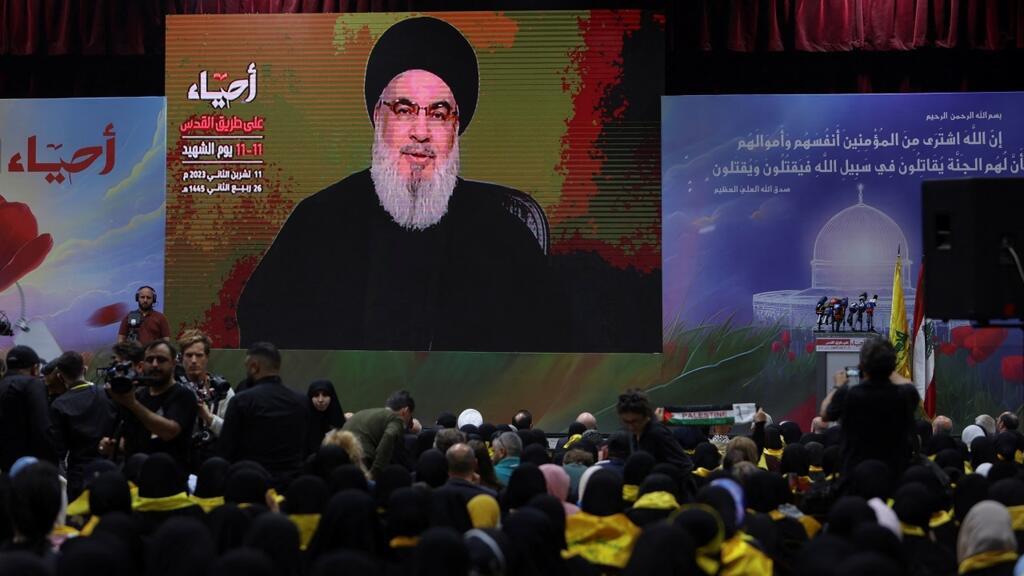
تعهد الأمين العام لحزب الله اللبناني حسن نصر الله السبت في ثاني خطاب له منذ بدء الحرب بين حماس وإسرائيل، مواصلة العمليات على الجبهة الجنوبية ضد العدو اللدود للجماعة الشيعية المدعومة من إيران. بعد ذلك بوقت قصير، قال وزير الدفاع الإسرائيلي يوآف غالانت إن الحزب يجر لبنان إلى الحرب محذرا من أن المدنيين اللبنانيين هم من “سيدفع الثمن”. وقال غالانت: “ما نفعله في غزة يمكن أن نفعله في بيروت”.
نشرت في:
4 دقائق
أعلن حسن نصر الله أمين عام حزب الله اللبناني السبت عن استخدام الجماعة التي تدعمها إيران، أنواعا جديدة من الأسلحة وقصفها أهدافا جديدة في إسرائيل خلال الأيام القليلة الماضية، متعهدا بأن تواصل العمليات على الجبهة الجنوبية ضد عدوها اللدود.
وهذا الخطاب الثاني لنصر الله منذ اندلاع الحرب بين حركة حماس وإسرائيل في 7 أكتوبر/تشرين الأول. وفي خطابه الأول في وقت سابق من هذا الشهر، قال نصر الله إن هناك احتمالا لتحول القتال على الجبهة اللبنانية إلى حرب شاملة.
اقرأ أيضامقتل صحافي وإصابة ستة آخرين أثناء تغطيتهم لإطلاق نار على الحدود بين لبنان وإسرائيل
وذكر نصر الله السبت بأن هناك “ارتقاء” في عمليات الحزب على طول جبهته مع إسرائيل. وأضاف في خطاب بثته محطات التلفزيون أن هناك “ارتقاء كمي على مستوى عدد العمليات وحجم الاستهدافات، عددها، وأيضا ارتقاء على مستوى نوع السلاح”.
وقال إن جماعته استخدمت صاروخا يعرف باسم البركان، واصفا وزن حمولته المتفجرة بما يتراوح بين 300 و500 كيلوغرام. وأكد أنها استخدمت طائرات مسيّرة مسلّحة لأول مرة. وأردف نصر الله قائلا إن حزبه استهدفت أيضا بلدة كريات شمونة شمال إسرائيل للمرة الأولى ردا على مقتل ثلاث فتيات وجدتهن في وقت سابق من هذا الشهر. وتعهد باستمرار القتال قائلا: “نحن في هذه الجبهة نواصل العمل”.
يوآف غالانت: “ما نفعله في غزة يمكن أن نفعله في بيروت”
بعد ذلك بوقت قصير، قال وزير الدفاع الإسرائيلي يوآف غالانت لجنوده قرب الحدود اللبنانية الإسرائيلية إن “حزب الله يجر لبنان إلى حرب قد تحدث”. وقال غالانت: “إنه (الحزب) يرتكب أخطاء وأن الذي سيدفع الثمن في المقام الأول هم المواطنون اللبنانيون. ما نفعله في غزة يمكن أن نفعله في بيروت”.
כולם ראו השבוע את תושבי עזה בורחים מבתיהם עם דגלים לבנים – אם חיזבאללה ימשיך במעשיו, תושבי ביירות עלולים להגיע למצב זהה. דברים שאמרתי היום ללוחמינו בגבול הצפון: pic.twitter.com/hRbY1Vmcba
من جانبه، قال المتحدث باسم الجيش الإسرائيلي الأميرال دانيال هاغاري إن الطائرات المقاتلة والمدفعية قصفت أهدافا كثيرة لحزب الله ردا على إطلاق النار عبر الحدود. وقال الجيش إن إسرائيل قصفت أيضا أهدافا في سوريا ردا على إطلاق صواريخ من هناك.
ويتبادل حزب الله إطلاق النار مع الجيش الإسرائيلي على الحدود منذ 8 أكتوبر/تشرين الأول. إلا أن القصف المتبادل اقتصر إلى حد كبير على المناطق الحدودية وقصف الحزب في الغالب أهدافا عسكرية، ومع ذلك قُتل ما لا يقل عن 70 من مقاتليه إلى جانب عدد من المدنيين اللبنانيين.
نصر الله: “العمليات مستمرة رغم كل الإجراءات الوقائية”
كذلك، قال نصر الله إن “العمليات مستمرة منذ 8 أكتوبر/تشرين الأول وحتى اليوم. رغم كل الإجراءات الوقائية استمرت عملياتنا في الجبهة في ظل الحضور الدائم للمسيّرات المسلحة الإسرائيلية التي شكلت عاملا جديدا في المواجهة.. إن أي خطوة إلى الأمام في جبهة لبنان هي بمثابة عمل استشهادي، وهذا يعبّر، من خلال حجم العمليات اليومية، عن مدى شجاعة وصلابة المجاهدين الاستشهاديين”.
اقرأ أيضاريبورتاج: آلاف النازحين بمدينة صور جنوب لبنان بحثا عن الأمان وخوفا من تداعيات الحرب المتواصلة
ويعد حزب الله، الجماعة المسلحة الشيعية التي أسسها الحرس الثوري الإيراني عام 1982، بمثابة رأس الحربة لمحور معاد لإسرائيل والولايات المتحدة تدعمه طهران.
وتقصف الدولة العبرية بشدة قطاع غزة الذي تديره حماس في أعقاب الهجوم الذي شنته الحركة عبر الحدود في وتقول إسرائيل إنه أسفر عن مقتل حوالي 1200 شخص واقتياد حوالي 240 شخص إلى القطاع الفلسطيني واحتجازهم هناك. وتقول السلطات الصحية في غزة إن أكثر من 11 ألف شخص، كثير منهم نساء وأطفال، قتلوا منذ أن بدأت تل أبيب هجومها على القطاع الساحلي الصغير الذي يبلغ عدد سكانه 2.3 مليون نسمة.
‘A real hell’: The climate refugees of Libya’s floods and regional strife | Floods
‘A real hell’: The climate refugees of Libya’s floods and regional strife | Floods
Often, in the middle of the night, Khadijah can hear screaming.
It could be the woman in the classroom next door, who has refused to change out of her abaya since Libya was hit with deadly floods on September 10. She fears more floods are on the way and wants to remain hidden from them, in the belief that her flowing robe will protect her, says Khadijah, 60.
Or perhaps it’s any one of many who saw their mother, father, child or grandparent swept into the sea when the dams burst above the eastern city of Derna, submerging it and its sleeping populace.
“The living are the ones who suffer; the dead are relieved,” Khadijah told Al Jazeera.
Khadija is one of thousands of people from the flood-battered city who have taken shelter in government schools after their houses were destroyed. She says she feels humiliated.
“Imagine closing your eyes on your own bed and then suddenly finding yourself lying on the cold floor of a public school,” she said, wiping away tears.
“I experienced most wars and disasters, [Muammar] Gaddafi’s siege of the city in the 1990s, the ISIS [ISIL] war in 2016, and the war of [Khalifa] Haftar’s forces in 2018, but what happened now was different [and] what came after it was more humiliating,” she added solemnly.
Khadija, her relatives, the 20 or so other families at the school they’re sheltering in, and the hundreds sheltering elsewhere are now “climate refugees”, the informal term used for those displaced by environmental disasters.
The public school where Khadijah and her family are sheltering [Ala Drissi/Al Jazeera]
But Derna was itself a refuge for thousands of migrants from neighbouring nations, alongside Libya’s own internally displaced population who settled in the coastal city from other parts of the country.
While the reasons they fled vary, climate-induced pressures compound with factors such as conflict and poverty, a complex web driving displacement in the region that will only continue in the years to come, experts have said.
Pushed out slowly – or all of a sudden
Khadija and other Libyans from Derna are entangled in this complex web but the stage was already set for the disaster that engulfed their homes and loved ones.
Storm Daniel was up to 50 times more likely to occur and 50 percent more intense because of human-caused climate change, according to the World Weather Attribution group.
The ailing, mismanaged dams were a key factor, as well.
“It can’t really be [overstated] how important the infrastructure issue is, because that’s one of the main catalysts for climate displacement,” Benjamin Freedman, an analyst at the Middle East Institute, told Al Jazeera.
The failing dams, alongside migrants “who weren’t necessarily properly settled”, created the “perfect storm for an outrageous humanitarian disaster”, he added.
While the flash flood created a sudden push for survivors to flee, most people who leave their lands for environmental reasons do so due to “slow-onset conditions” like multi-year droughts, Aimee-Noel Mbiyozo, a senior research consultant at the Institute for Security Studies, told Al Jazeera.
Before the floods, Libya was host to more than 705,000 refugees and migrants from more than 44 nationalities, according to Michela Pugliese, a migration and asylum researcher at Euro-Med Human Rights Monitor.
More than 230,000 of these refugees and migrants were living in eastern Libya, the part of the country devastated by the storm, the majority having arrived from neighbouring countries like Chad, Egypt, Niger, Nigeria and Sudan, she added.
Some 8,000 of them lived in Derna specifically, but it is likely that many others were present and not officially reported, said Pugliese.
While the reasons they ended up in Libya varied – many hoping to ultimately depart to Europe – some left their homes over lost livelihoods because of climate disasters.
“A lot of people coming [to] Libya from Chad, Sudan, and Niger were employed in the agricultural sector at home and came to Libya after having lost crops or livestock assets due to climate events like drought or floods,” Pugliese said.
A view shows the destruction in the aftermath of the floods in Derna, Libya [Esam Omran al-Fetori/Reuters]
International law doesn’t recognise climate refugees
Discerning just how many of Derna’s 8,000 refugees were climate refugees, and how many Libyans have now become climate refugees due to the floods, is a challenge – largely because that term doesn’t exist under international law.
“This term has no legal basis under refugee law yet, so neither UNHCR [the UN refugee agency] registering asylum seekers, nor legal desks aiding migrants, would use this as an official category,” said Pugliese.
Mbiyozo added that people who move for climate-linked reasons rarely identify it as such.
“We ask people, why have you moved and they almost never say, ‘climate change’,” she said.
“They’re going to tell you it’s to find a better economic opportunity, so they’re moving for jobs or for livelihood. But then you have to go a level deeper and say, ‘Well, what’s changed?’”
In West Africa, for example, a refugee may be fleeing Boko Haram because the armed group took their cattle due to dwindling resources, she said.
Climate change in the context of migration, therefore, is a “fragility amplifier or a threat amplifier”, said Mbiyozo.
Freedman said that, as climate disasters become more common, there needs to be a system in place to identify people fleeing because of them.
When these groups of people attempt to claim asylum in Western countries specifically, they are denied at a much much higher rate due to the arbitrariness of the category, he said.
But the situation will only continue to worsen, “especially when we’re dealing with potentially 1.2 billion people displaced internally and externally by intensifying climate weather events by 2050,” Freedman added.
Mbiyozo argued, however, that if the laws were rewritten, namely the UN Refugee Convention of 1951, a lot of Western countries “would pull back what they currently offer”.
“Everybody in the refugee space knows intuitively that if you were to redraw these things, you get less protection because that’s the political climate right now,” she said, adding that Italy, for example, is trying to deny as many asylum seekers as it can.
A boy, who survived the deadly storm that hit Libya, jumps as he plays with his brothers inside a classroom at the school where they shelter in Derna, Libya [Zohra Bensemra/Reuters]
‘Nothing but promises’
Despite an unwillingness from Western countries to take on new categories of refugees, experts say most climate-linked movement stays local, with many pushed from rural areas to urban cities.
Among the 40,000 people displaced in Libya’s floods, many moved to towns and villages further east and several hundred moved west, said Pugliese.
Among them, are the “twice-displaced” too, pushed from their countries to Libya, and then pushed again from Derna to elsewhere.
“It is far too early to tell what will happen to [these displaced peoples], as for now the response is still purely a humanitarian one,” said Pugliese.
Back in Derna, Khadijah is resolute that she and her family cannot stay at the school much longer.
Pulling one of her granddaughters close, she asked: “What is this child’s fault? Kids her age are studying in schools, and she lives here.”
Some of the women at the school hold back from going to the toilet due to concerns about privacy, and the classrooms are frigid at night even though winter has yet to come, Khadijah said.
She says she has “seen nothing but promises from the government”.
“We are living a real hell,” said Khadijah.
A man inspects damaged buildings, in the aftermath of a deadly storm and flooding that hit Libya, in Derna, Libya [Esam Omran Al-Fetori/Reuters]