افضل مقدم خدمة سيو

  • اتصل بنا
  • اخر مقالات منصة استقل
  • أسئلة
  • اعمالنا السابقة
  • الأسئلة المتكررة / الشائعة
  • المتجر
  • المقالات
  • تكلفة وأسعار باقات السيو seo وتصاميم المواقع
  • خبراء السيو تعرف على فريق عمل منصة استقل
  • خدماتنا الإلكترونية
  • عن هيئة
  • About Us
  • Contact
  • Home
  • Pages
  • Sample Page
  • Services

التصنيف: نصائح عامة

نصائح عامة

  • This NASA astronaut voted from space

    Story highlights

    Shane Kimbrough is a NASA astronaut

    He voted in the 2016 election


    CNN
     — 

    From infinity and beyond, he found a way to vote.

    Shane Kimbrough, a NASA astronaut currently living on board the International Space Station, filed his ballot in Tuesday’s presidential election, according to a Tumblr post by NASA.

    NASA told Yahoo News that Kimbrough filed his ballot in the 2016 election from the space station sometime over the past few days.

    For astronauts who will be in space on Election Day, the voting process starts a year before launch. At that time, they are able to select the elections in which they want to participate.

    Then, six months before the election, astronauts are provided with the form “Voter Registration and Absentee Ballot Request – Federal Post Card Application.”

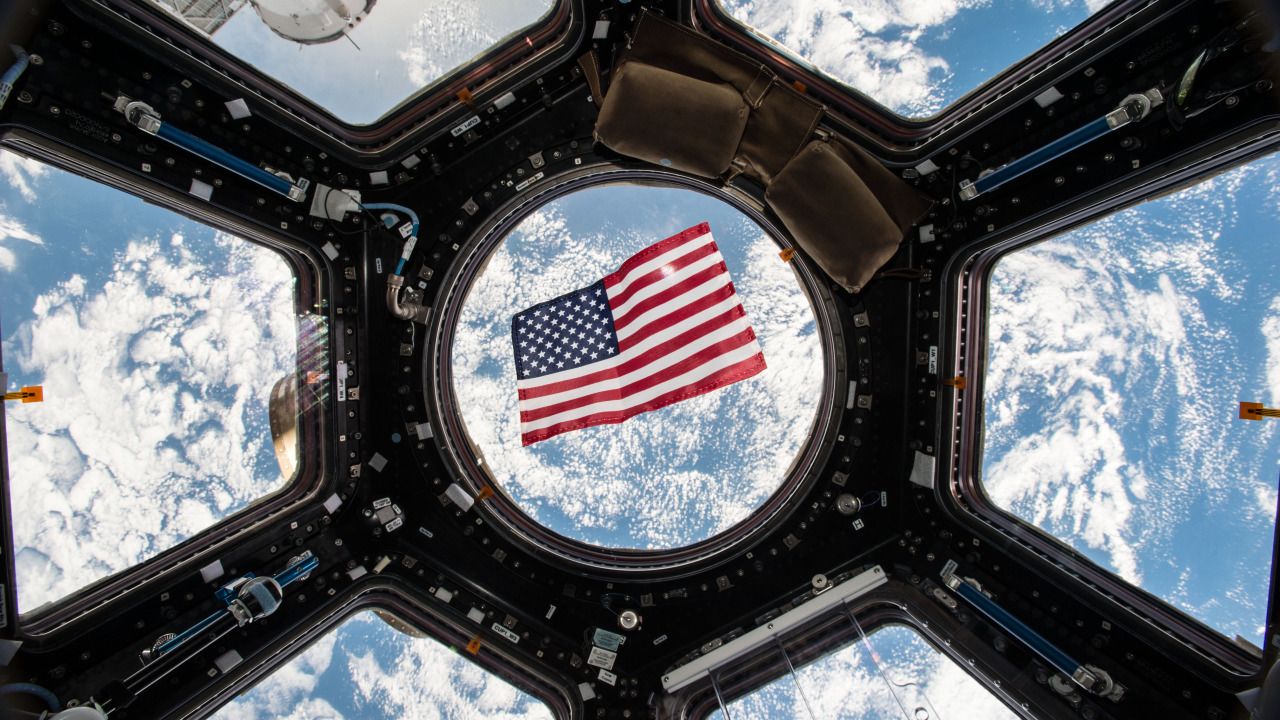
    Image Kjell Lindgren released on social media of the US flag floating in the Cupola module.

    NASA astronaut David Wolf was the first American to vote in space while on the Russian Mir Space Station in a 1997 local election, according to NPR.

    المصدر

    أخبار

    يوليو 17, 2023
  • What if you could wear a chair?

    Story highlights

    Japan’s innovative wearable devices includes Archelis, a “standing” chair designed for surgeons.

    Tokyo’s first Wearable Expo debuted in 2015 and was largest in the world.

    Japan’s wearable tech market is predicted to grow from 530,000 in 2013 to 13.1 million units in 2017.


    CNN
     — 

    What do Discman, Tamagotchi, and Game Boy have in common?

    They’re all landmark Japanese inventions from the 80s and 90s, symbols of an era when the Asian nation was a world leader in tech innovation.

    But with the rise of Silicon Valley, and American tech giants such as Google and Apple, has seen Japan produce less era-defining tech over the past two decades.

    That, says Professor Masahiko Tsukamoto, of Kobe University’s Graduate School of Engineering, is about to change thanks to a new generation of young entrepreneurs, an uptick in international collaborations, and new partnerships with university scientists.

    Japan’s focus this time around is not on smart phones or gaming, but wearable chairs, smart glasses and dog communication devices.

    In short, wacky wearable tech.

    In 2013, Japan sold 530,000 units of wearable tech devices, according to Yano Research Institute.

    That figure is predicted to leapfrog to 13.1 million units in 2017.

    Perhaps the best indication of the boom in this industry was the introduction of Tokyo’s first Wearable Expo in 2015 – at launch, it was the largest wearable tech fair in the world with 103 exhibitors.

    It has featured electronic kimonos, cat communication devices, and electronic gloves to record a pianist’s finger work.

    At the next show, from January 18 to 20, 2017, the organizers expect more than 200 exhibitors and 19,000 visitors.

    “With better functionality, lighter components and smaller designs, wearing devices is now no longer a fantasy,” says show director Yuhi Maezono. “Wearables are gathering attention as the next big growth market.”

    Inupathy is a dog harness slated to launch at the end of this year that will allow pet owners to communicate with their dogs.

    As well as a heart monitor, the harness features noise-canceling technology which can isolate the animal’s heartbeat and track its reactions to stimulus, such as food, games, people and toys.

    With this data, the harness assesses a dog’s mood and changes color to inform the owners.

    Equipped with six LED lights, the collar glows blue to show calm, red for excitement, and displays a rainbow theme for happiness.

    Joji Yamaguchi, CEO of Inupathy, was inspired by his Corgi, Akane, who was a nervous puppy. To better understand the dog’s anxiety, the biologist developed Inupathy to monitor his heart rate.

    “I always felt like I couldn’t understand Akane very well and I wanted to get be closer to him,” says Yamaguchi.

    “Buddhism and old Japanese religion says every animals, plants, and even rocks have spirit inside. It’s stressful when you can’t solve problems that are upsetting them.”

    Yamaguchi expects wearable wellness tracking will have applications for humans, too.

    “Personalization, of artificial intelligence will be a game-changer,” says Yamaguchi.

    “For instance, if you show a certain behavior before you start feeling depressed, predicting your depression from that behavior is extremely valuable for an individual. An AI that works personally for you will eventually make this possible.”

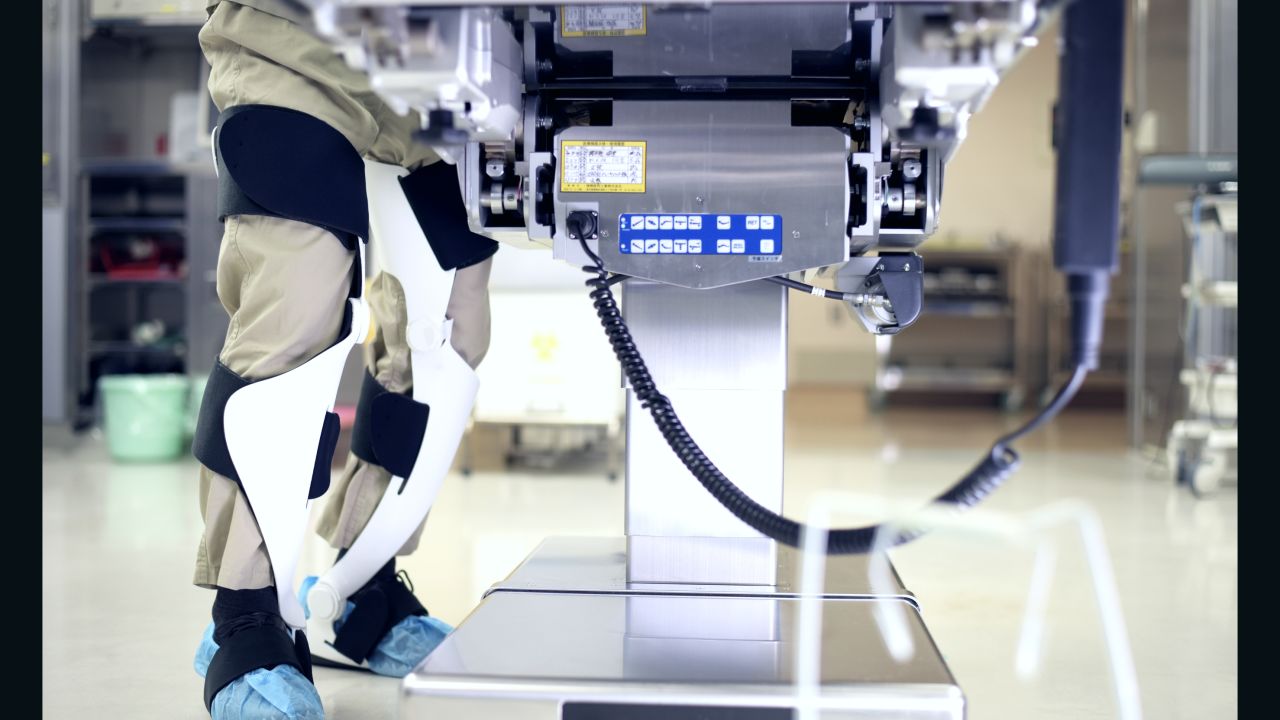
    Archelis – a wearable chair launched in Japan this year – is also creating a buzz internationally.

    A collaboration between Nitto mold factory, Chiba University, Japan Polymer Technology and Hiroaki Nishimura Design, in Japan, it was initially intended for surgeons, who need to rest their legs during long operations.

    The chair enables its wearer to effectively sit down and stand up at the same time.

    The Archelis chair.

    “The Archelis concept is very simple, like the simplicity of Columbus’ egg,” says Dr Hiroshi Kawahira, the surgeon behind the concept. “Long surgeries can result in back pain, neck pain, and knee pain – especially for surgeons who are older.”

    Made of 3D-printed panels, Archelis does not require any electrical components or batteries.

    The innovation is in the effective design: flexible carbon panels wrap around the buttocks, legs and feet to provide support and minimize pressure on joints.

    The system stabilizes the ankles and knees, so the pressure from being upright is spread evenly across the shins and thighs.

    Though the wearer appears to be standing, in fact, they are resting their back and legs while working on their feet.

    Other wearables are on the smaller side.

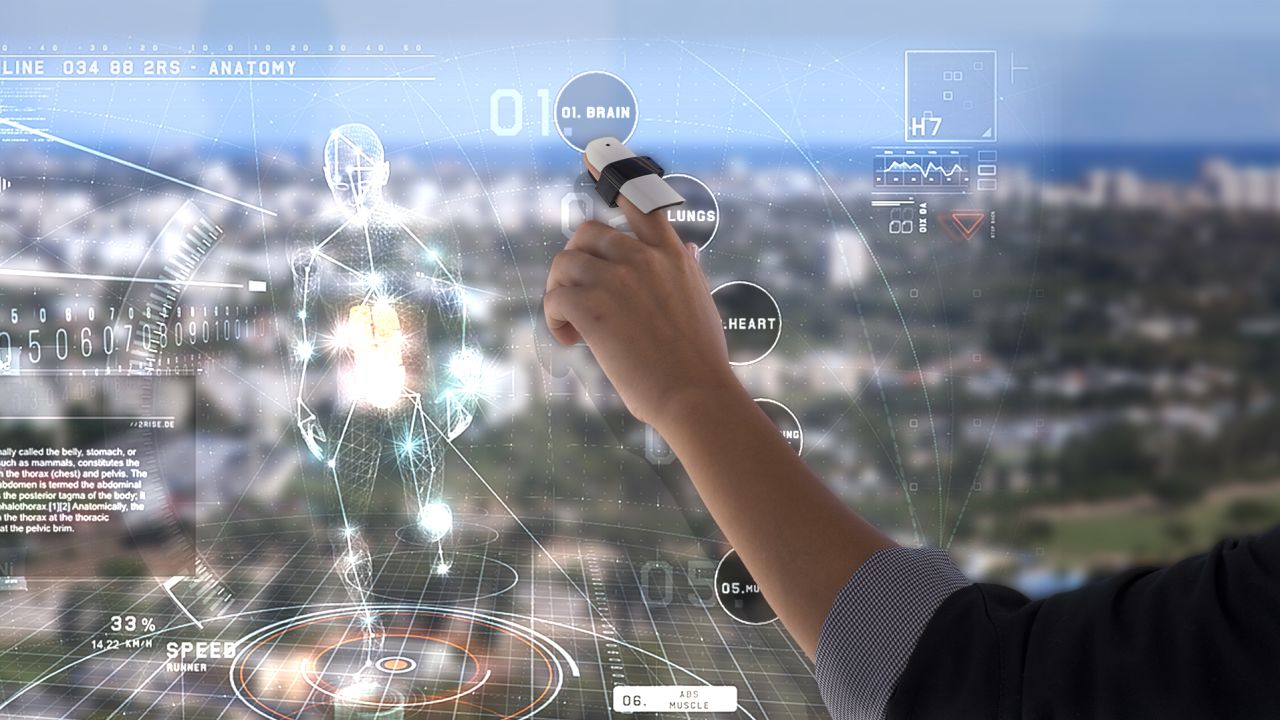
    Measuring about 3 inches long, BIRD is essentially a modern thimble that turns your fingertip into a magic wand.

    BIRD can control  up to 10 devices at a time.

    Using algorithms to decode a user’s intent, the device also features precise sensors that track direction, speed, and gestures.

    The technology enables users to turn any surface into a smart screen, as well as interact with other smart devices.

    Walking around at home, users can project a laptop screen onto a wall, switch on a coffee machine, read on any surface, and make online purchases with the point or swipe of a finger.

    The developers – Israel-based MUV Interactive and Japan-based Silicon Technology – expect BIRD to be embraced by the education and corporate sectors, thanks to its ability to create collaborative presentations.
    المصدر

    أخبار

    يوليو 17, 2023
  • Cell phones and screens are keeping your kid awake

    Cell phones and screens are keeping your kid awake

    Story highlights

    Devices in the bedroom are associated with children losing sleep time and quality, new research says

    Even children and teens who don’t stay up late online are losing sleep


    CNN
     — 

    These days, teachers often face classrooms filled with yawning students who stayed up late snapping selfies or playing online games.

    For children and teens, using cell phones, tablets and computers at night is associated with losing sleep time and sleep quality, new research finds. Even children who don’t use their phones or the other technologies littering their bedrooms at night are losing shut-eye and becoming prone to daylight sleepiness, the analysis published today in JAMA Pediatrics finds.

    The analysis found “a consistent pattern of effect across a wide range of countries and settings,” said Dr. Ben Carter, lead author and a senior lecturer in biostatistics at King’s College London.

    Carter and his colleagues weeded through the medical literature to identify hundreds of applicable studies conducted between January 1, 2011, and June 15, 2015. They chose 20 research reports involving a total of 125,198 children, evenly divided by gender, with an average age of 14½ years. After extracting pertinent data, Carter and his co-authors performed their own meta-analysis.

    Few parents will be surprised by the results: The team found a “strong and consistent association” between bedtime media device use and inadequate sleep quantity, poor sleep quality and excessive daytime sleepiness.

    Surprisingly, though, Carter and his team discovered that children who did not use their devices in their bedrooms still had their sleep interrupted and were likely to suffer the same problems. The lights and sounds emitted by the technology, as well as the content itself, may be too stimulating.

    Though Carter admits that a weakness of the analysis was “how the data was collected in the primary studies: self-reported by parents and children,” many of us will probably recognize our own families’ habits reflected in the statistics.

    A large-scale poll conducted in the United States by the National Sleep Foundation (PDF) reported in 2013 that 72% of all children and 89% of teens have at least one device in their sleep environment. Most of this technology is used near bedtime, that same report found.

    According to Carter and his co-authors, this omnipresent technology negatively influences children’s sleep by delaying their sleep time, as they finish watching a movie or play one more game.

    Light emitted from these devices may also affect the circadian rhythm, the internal clock timing biological processes, including body temperature and hormone release, the researchers explain. One specific hormone, melatonin, induces tiredness and contributes to the timing of our sleep-wake cycles. Electronic lights can delay the release of melatonin, disrupting this cycle and making it harder to fall asleep.

    Carter and his co-authors also suggest that online content may be psychologically stimulating and keep children and teens awake far past the hour when they turn off their devices and try to sleep.

    “Sleep is vital for children,” said Dr. Sujay Kansagra, director of the pediatric neurology sleep medicine program at Duke University Medical Center, who was not involved in the new analysis. “We know that sleep plays a crucial role in brain development, memory, self-regulation, attention, immune function, cardiovascular health and much more.”

    Kansagra, author of “My Child Won’t Sleep,” noted that the period of greatest brain development is in our first three years of life, which corresponds to when we need and get the most sleep. “It’s hard to believe that this would be a coincidence.”

    Kansagra said it’s possible that parents underreported kids using devices at night, but more likely, the technology is simply interfering with sleep hygiene. “For example, children who are allowed to keep devices in their room may be more likely to avoid a good sleep routine, which we know is helpful for sleep,” he said.

    Dr. Neil Kline, a representative of the American Sleep Association, agrees that sleep plays an integral role in a child’s healthy development, even though “we don’t know all of the science behind it. There is even some research which demonstrates an association between ADHD and some sleep disorders.”

    In many respects, the findings of the new study are no surprise. “Sleep hygiene is being significantly impacted by technology, especially in the teen years,” said Kline, who bases his opinion not only on research but on his own “personal experience and also the anecdotes of many other sleep experts.”

    Join the conversation

  • See the latest news and share your comments with CNN Health on Facebook and Twitter.

Sleep hygiene – tips that help facilitate good, continuous and adequate sleep – include having a room that is quiet. “And that would mean removing items that interfere with sleep, including electronics, TV and even pets if they interfere with sleep,” Kline said.

One more important tip comes from the National Sleep Foundation, which recommends at least 30 minutes of “gadget-free transition time” before bedtime. Power down for better sleep.

Other recommendations for good sleep hygiene include not exercising (physically or mentally) too close to bedtime; establishing a regular sleep schedule; limiting exposure to light prior to sleep; avoiding stimulants such as alcohol, caffeine and nicotine in the hours before bedtime; and creating a dark, comfortable and peaceful sleep environment.

المصدر

أخبار

يوليو 17, 2023
  • Brightest supermoon since 1948

    Brightest supermoon since 1948
    See photos of November’s supermoon — the brightest in nearly 70 years.

    المصدر

    أخبار

    يوليو 17, 2023
  • Girls to design Africa’s first private space satellite

    Story highlights

    Africa will launch its first private satellite into space

    It’s been built by schoolgirls


    CNN
     — 

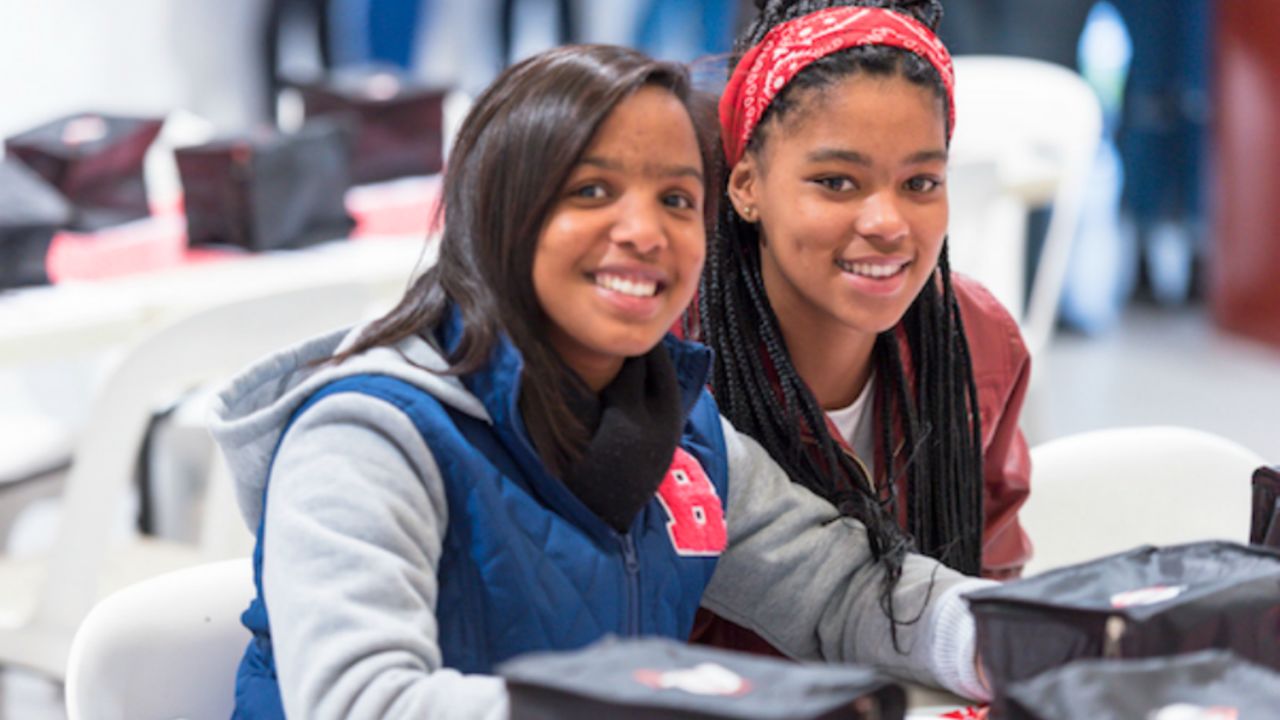
    They may be teenagers, but 17-year-old Brittany Bull and 16-year-old Sesam Mngqengqiswa have grand ambitions – to launch Africa’s first private satellite into space in 2019.

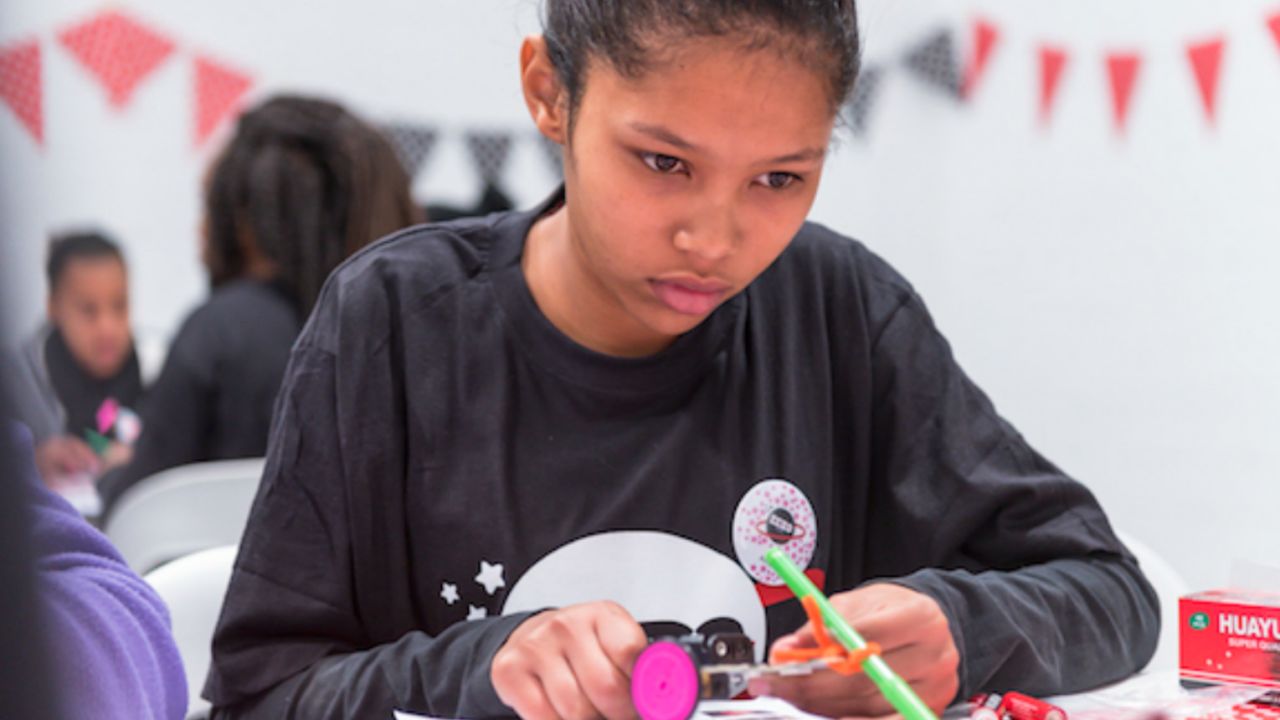
    They are part of a team of high school girls from Cape Town, South Africa, who have designed and built payloads for a satellite that will orbit over the earth’s poles scanning Africa’s surface.

    Once in space, the satellite will collect information on agriculture, and food security within the continent.

    Using the data transmitted, “we can try to determine and predict the problems Africa will be facing in the future”, explains Bull, a student at Pelican Park High School.

    South Africa's program aims to encourage girls into STEM, particularly astronomy. Less than 10% of young women are interested in STEM subjects.

    “Where our food is growing, where we can plant more trees and vegetation and also how we can monitor remote areas,” she says. “We have a lot of forest fires and floods but we don’t always get out there in time.”

    Information received twice a day will go towards disaster prevention.

    It’s part of a project by South Africa’s Meta Economic Development Organization (MEDO) working with Morehead State University in the US.

    Africa’s journey to space

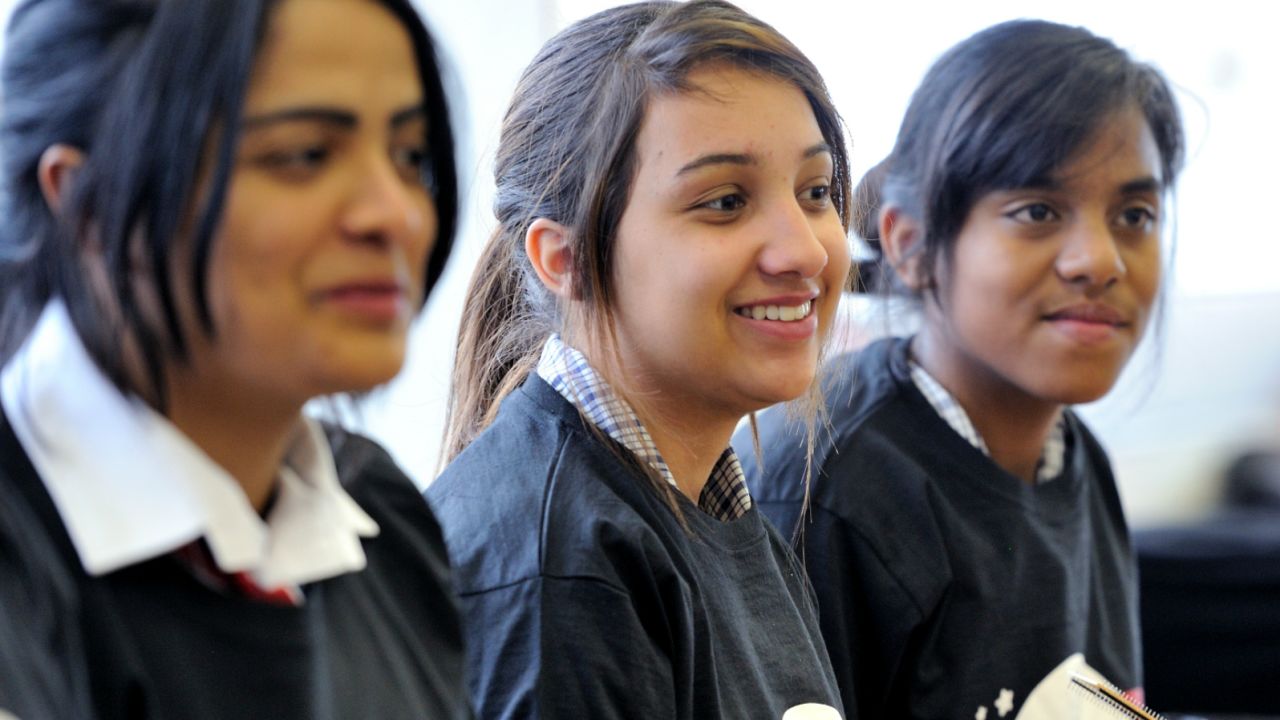
    The girls (14 in total) are being trained by satellite engineers from Cape Peninsula University of Technology, in a bid to encourage more African women into STEM (science, technology, engineering, mathematics).

    If the launch is successful, it will make MEDO the first private company in Africa to build a satellite and send it into orbit.

    “We expect to receive a good signal, which will allow us to receive reliable data,” declares an enthusiastic Mngqengqiswa, of Philippi High School. “In South Africa we have experienced some of the worst floods and droughts and it has really affected the farmers very badly.”

    By 2020 80% of jobs will be related to STEM (Science Technology Engineering and Mathematics), MEDO predicts, but currently only 14% of  the STEM workforce globally are women.

    Drought and environmental effects from climate change have continued to plague the country in recent years. An El Niño induced drought led to a shortfall of 9.3 million tons in southern Africa’s April 2016 maize production, according to a UN report.

    “It has caused our economy to drop … This is a way of looking at how we can boost our economy,” says the young Mngqengqiswa.

    The girls' satellite will have a detailed vantage point of South Africa's drought crisis which led to a shortfall of 9.3 million tons in southern Africa's April 2016 maize production.

    Initial trials involved the girls programming and launching small CricketSat satellites using high-altitude weather balloons, before eventually helping to configure the satellite payloads.

    Small format satellites are low cost ways of gathering data on the planet quickly. Tests so far have involved collecting thermal imaging data which is then interpreted for early flood or drought detection.

    “It’s a new field for us [in Africa] but I think with it we would be able to make positive changes to our economy,” says Mngqengqiswa.

    Ultimately, it is hoped the project will include girls from Namibia, Malawi, Kenya, and Rwanda.

    Mngqengqiswa comes from a single parent household. Her mother is a domestic worker. By becoming a space engineer or astronaut, the teenager hopes to make her mother proud.

    “Discovering space and seeing the Earth’s atmosphere, it’s not something many black Africans have been able to do, or do not get the opportunity to look at,” says Mngqengqiswa.

    The schoolgirl is right; in half a century of space travel, no black African has journeyed to outer space. “I want to see these things for myself,” says Mngqengqiswa, “I want to be able to experience these things.”

    Her team mate, Bull agrees: “I want to show to fellow girls that we don’t need to sit around or limit ourselves. Any career is possible – even aerospace.”

    المصدر

    أخبار

    يوليو 17, 2023
  • ←الصفحة السابقة
    1 … 495 496 497 498 499 … 546
    الصفحة التالية→

    افضل مقدم خدمة سيو

    افضل مقدم خدمة سيو خبير seo


    .
    ضع إعلانك هنا وعلى كل مواقعنا اكثر من 50 موقع للطلب تواصل معنا من هنا


    أجمل الوجهات السياحية منصة استقل مكتبة الحياة أنشئ متجرك الإلكتروني في دقائق مجانا متجر تركس بلس موقع آخر خبر


    لطلب الإعلان لدينا تواصل معنا واتساب

    اشتراك اوتوديسك | اشتراك ثمانية | بطاقة بينانس | اشتراك اوفيس | ترافيل بوكس | TravelBox | دفتر واجبات | قرطاسيات | اشتراك شاهد | اشتراكات | متابعين تيك توك | زيادة نقاط السناب | حسابات ببجي | اشتراكات شات جي بي تي | شحن المحافظ الالكترونية | مشاهدات ستوري انستقرام | حساب انستقرام للبيع | اخبار اليمن | اخبار سوريا | المهندس نبيل محمد الدم | متجر حسابات ببجي

    استقل مواقع صديقة

    سيريال فوتوشوب | خبير SEO | خدمات سيو | اعلانات مجانية | saudi ads | دليل مواقع عربي | العالمي للإعلانات | افضل شركة سيو في السعودية | امتلك متجراً احترافياً مجانا | المهندس نبيل محمد الدم | خبير تسويق الكتروني | خبير seo نبيل الدم | دليل مواقع | تصميم مواقع | خبير سيو في الاردن | فحص سيو | best SEO company Jordan | خدمات تصميم المواقع والمتاجر
    • Blog
    • About
    • FAQs
    • Authors
    • Events
    • Shop
    • Patterns
    • Themes

    Twenty Twenty-Five

    Designed with WordPress