إسرائيل تعلن تفاصيل حادث تبادل إطلاق النار مع "مسلحين" عند الحدود مع مصر
إسرائيل تعلن تفاصيل حادث تبادل إطلاق النار مع "مسلحين" عند الحدود مع مصر
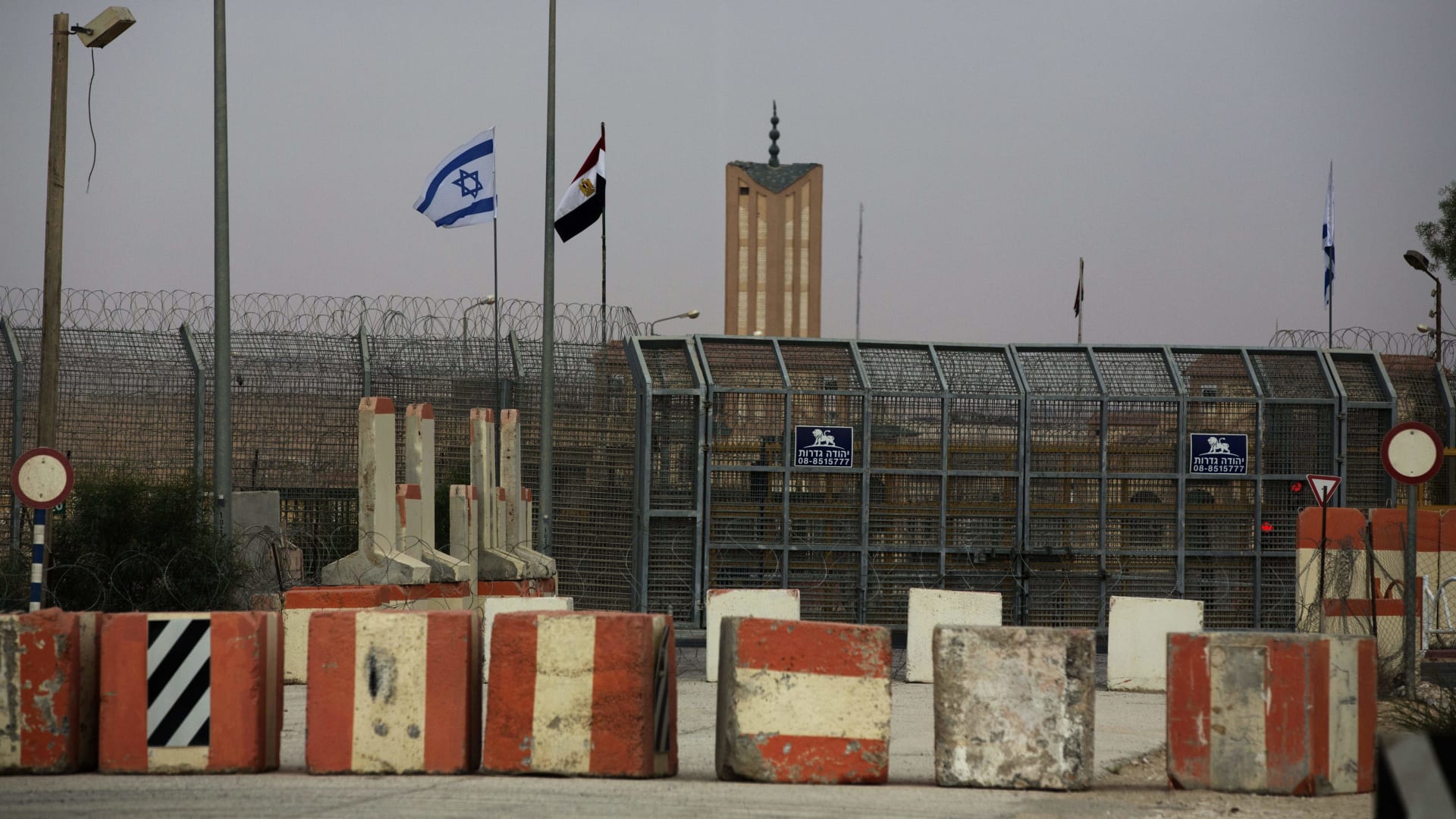
(CNN) — أعلن الجيش الإسرائيلي أن جنوده شاركوا في تبادل لإطلاق النار بعد أن اقترب نحو 20 شخصا مجهولي الهوية، بعضهم مسلحون، من الحدود الإسرائيلية من مصر بالقرب من معبر نيتسانا.
وقال الجيش الإسرائيلي إن عددا من المشتبه بهم أصيبوا، لكنه لم يقدم مزيدا من التفاصيل، ولم يذكر ماذا كانوا يفعلون على الحدود.
ووفقا لما نشره المتحدث باسم الجيش الإسرائيلي دانيال هاغاري، على وسائل التواصل الاجتماعي، فقد أصيب جندي خلال تبادل إطلاق النار، وتم علاجه في المستشفى، حيث وصفت حالته بأنها “إصابة…
Germany’s winter of discontent: Disruption from protests propels far-right AfD party to new heights | World News
Germany’s winter of discontent: Disruption from protests propels far-right AfD party to new heights | World News
A cacophony of vehicle horns filled the air as the roads in the centre of Berlin were brought to a standstill.
Today was the eighth day that Germany‘s farmers protested against planned cuts to fuel subsidies.
The boulevards leading to the Brandenburg Gate were lined with thousands of tractors, many of which displayed a range of signs slamming the coalition or “traffic light” government.
Image: Farming apprentice Elise fears for the industry’s future
“I’m here because we want to save our future,” 24-year-old Elise says.
A farming apprentice, she fears for the industry’s future if the proposed changes are brought in.
“What will happen if the government doesn’t give you what you want?” I asked.
” A lot of farms will die,” she replied.
Many in the crowd shared her pessimism, spelling it out in signs reading “No farmer, no food,” and “If the farmer dies, the country dies”.
“The coalition has to go,” another declared.
This round of demonstrations was sparked after the government decided to phase out a tax break on agricultural diesel as it tried to balance its 2024 budget after a constitutional court ruling in November forced it to revise its spending plans.
Ministers have already watered down some of the changes they were proposing.
However, the chorus of boos which greeted the finance minister today proved the anger hasn’t been assuaged.
“I can’t promise you more state aid from the federal budget,” Christian Lindner told the jeering crowd at the Brandenburg Gate.
“But we can fight together for you to enjoy more freedom and respect from your work.”
He acknowledged the anger went beyond the diesel subsidy and had been “brewing for decades” – “we need to talk,” he said.
But for many, the conciliatory tone fell flat and they feel the government is failing them.
“Billions for the world but no money for their people,” read a poster stapled to one man’s back.
“It’s the tax burden – the money going abroad and being wasted should stay here in Germany,” explained landscape gardener, Christian.
Image: Landscape gardener Christian says he wants leaders to ‘start making sensible decisions’
“It’s long stopped being about the farmers and the diesel subsidies, all sections of society are represented here. What matters is that leaders start making sensible decisions.”
“I’m here to say we are not happy with our politics. Germany is a democratic country, but I’m not seeing much democracy,” a farmer shouted down from his tractor.
It’s not just farmers who are angry; freight drivers and train drivers have also been striking.
High energy costs, bureaucratic red tape and the surging cost of living drew thousands of other tradespeople onto the streets in support.
It’s not the start to 2024 that Chancellor Olaf Scholz will have wanted, with the protest adding to the list of challenges the government is facing.
There’s also the €17bn (£14.6bn) black hole in the budget that it’s been trying to fill, concerns over a sluggish economy and the rising popularity of the far-right.
Read more on Sky News: Scholz among thousands protesting against plan to deport ‘unassimilated citizens’ AfD party denies backing deportation of ‘unassimilated’ citizens World Cup-winning Germany captain and manager dies
Disruption caused by protests and strikes has propelled the far-right Alternative for Germany (AfD) party to new heights.
A recent YouGov poll put the AfD second nationally at 24%, a worrying result for coalition parties which have seen a drop in support.
The AfD has been a vocal supporter of the farmers’ protests despite its traditional anti-subsidy stance.
At the start of the recent protests, ministers and a domestic intelligence chief warned that far-right extremists could try to exploit the demonstrations.
There was some evidence of far-right support in the crowd, their slogans repeated in some of the placards, but most of the people we spoke to said they just wanted to peacefully fight for their futures.
As they left today, it was clear it’s a fight that is far from over as Germany’s winter of discontent continues.
Nigel Farage says Vladimir Putin would not have invaded Ukraine if Donald Trump was US president | US News
Nigel Farage says Vladimir Putin would not have invaded Ukraine if Donald Trump was US president | US News
Nigel Farage has claimed Vladimir Putin would not have launched a full-scale invasion into Ukraine in February 2022 if Donald Trump had been US president.
Speaking to Sky News, the politician said he is confident Mr Trump will be elected to the White House in November’s election.
“I think the issue of the border, the result of crime problems that you’re seeing in American cities – Chicago is in a terrible, terrible state – I think people look at Trump and say, ‘you know what? This is a tough guy who will actually stand up and fight against that stuff’,” Mr Farage said.
“Plus, and don’t underestimate this, he had a very successful foreign policy when he was president.
“Since he’s gone, the world is now a much more dangerous place than it was before. So I think all these factors are playing for him.”
Mr Farage added: “There is this sort of argument in Europe that he will blow up NATO… I don’t believe any of that for a moment.
“What he wanted was for NATO members to pay their fair share. I don’t believe that Putin would have invaded Ukraine had Trump been in the White House.”
Mr Farage also said the idea Mr Trump wants to destroy democracy is “nonsense”.
Read more on Sky News: What are the Iowa caucuses? Trump says ‘death is worth’ voting in caucus It might take more than a storm to knock Trump off course
The GB News presenter was speaking to Sky News in Iowa ahead of the state’s caucus today.
Davos: As the rich attend World Economic Forum, there are fretful noises about what’s happening in Red Sea shipping lanes | Business News
Davos: As the rich attend World Economic Forum, there are fretful noises about what’s happening in Red Sea shipping lanes | Business News
This year’s World Economic Forum wasn’t supposed to be about the events in the Red Sea.
When the conveners came to put it together – the 2024 edition of the annual shindig at Davos where plutocrats mingle with politicians and celebrities in the Swiss mountain village – they had plenty of other big issues on the menu.
The highlight of the opening day was supposed to be the appearance of Ukrainian President Volodymyr Zelenskyy.
There is session after session about artificial intelligence and the energy transition.
Yet, as is so often the case, the main talking point here on the “Magic Mountain” was something else entirely.
Image: Swiss President Viola Amherd and her Ukrainian counterpart Volodymyr Zelenskyy
In this case, as the rich and famous come to discuss the state of the world, there are fretful noises about what’s happening in the shipping lanes of the Red Sea.
And you can see why.
Davos is, in some senses, the ultimate emblem of globalisation.
Here are thousands of delegates whose lives and livelihoods depend on the free movement of goods and capital around the world.
Yet in recent years, they have had to contend not merely with war in Europe and hideous attacks in the Middle East, but a fraying of the very global order they stand for.
The attacks on shipping in the Red Sea are only the start of it.
Please use Chrome browser for a more accessible video player
0:59
‘Lights are flashing red on global dashboard’
Read more: Are shipping attacks by Houthis having impact on prices? US shoots down missile fired at navy destroyer from Houthi areas
World leaders have forsworn the free trade, non-interventionist policies that dominated in most of the WEF’s lifetime.
The US has committed to vast subsidies to shore up its energy sector; Europe is pledging to do something similar; even the UK is experimenting with industrial strategy.
Spreaker
This content is provided by Spreaker, which may be using cookies and other technologies.
To show you this content, we need your permission to use cookies.
You can use the buttons below to amend your preferences to enable Spreaker cookies or to allow those cookies just once.
You can change your settings at any time via the Privacy Options.
Unfortunately we have been unable to verify if you have consented to Spreaker cookies.
To view this content you can use the button below to allow Spreaker cookies for this session only.
Enable Cookies
Allow Cookies Once
Click to subscribe to the Sky News Daily wherever you get your podcasts
In the meantime, diplomatic and economic relations between the West and China have become more frigid, while Russia is once again persona non grata.
In short, the stability and calm which most delegates here have long hoped for has begun to evaporate away.
But the Red Sea attacks raise further questions.
Please use Chrome browser for a more accessible video player
5:17
How do shipping attacks hit shoppers?
One of the premises of globalisation is that rather than trying to make everything domestically, one should source the cheapest viable product from overseas instead.
But what if those products won’t or can’t turn up on time? What if trade becomes so dangerous that you can no longer rely on ships turning up at all?
Image: Pic: AP
Such questions are terrifying to those here in Davos, in large part because they have been able to take free trade for granted for so long.
So while the episodes of recent weeks were not scheduled to play a major role in the panels and speeches this week, there’s every chance they may intrude.
Yet, Davos is about more than one topic. It is a place where businesspeople come to meet and to do deals.
It’s a place where campaigners come to try to attract the attention of the world’s richest and most influential people.
It is a forum where politicians come in an effort to be taken seriously – it’s not for nothing that both the UK government (via Jeremy Hunt and Lord Cameron) and the Labour Party (via Rachel Reeves and Jonathan Reynolds) are here in force.
It is a carnival of capitalism, in all its garish, complex, colours on display.
وزير خارجية إيران لأمريكا: لا تربطوا مصالحكم بمصير نتنياهو الذي سيسقط
وزير خارجية إيران لأمريكا: لا تربطوا مصالحكم بمصير نتنياهو الذي سيسقط
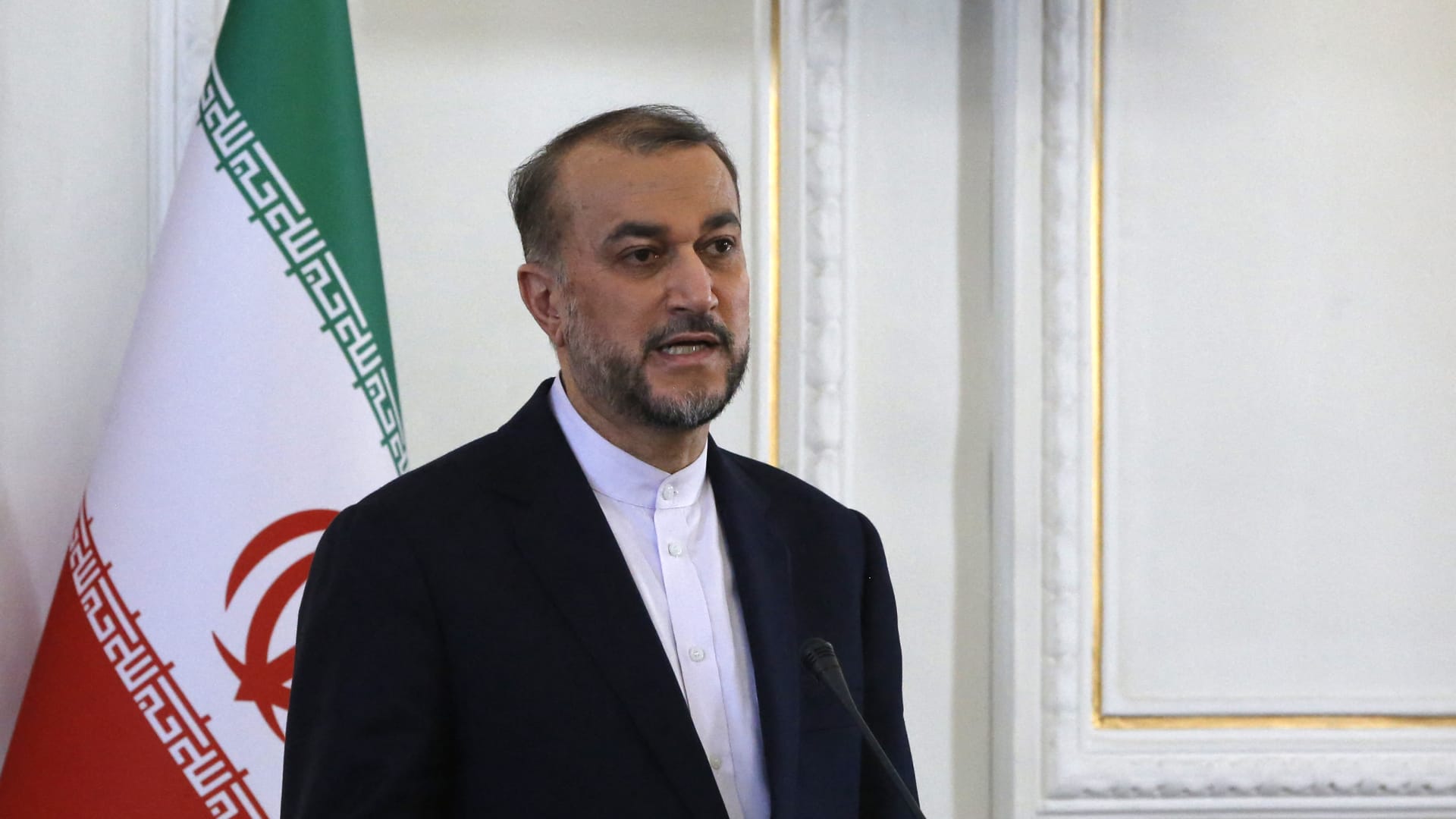
(CNN) — دعا وزير الخارجية الإيراني حسين أمير عبداللهيان، الاثنين، الولايات المتحدة الأمريكية إلى “عدم ربط مصالحها الأمنية والقومية بمصير رئيس وزراء إسرائيل بنيامين نتنياهو الذي يسقط”، وفقا لما نقلته وكالة “رويترز” للأنباء.
وقال عبداللهيان، خلال مؤتمر صحفي مشترك مع نظيره الهندي سوبرامانيام جايشانكار في طهران: “نحذر أمريكا وبريطانيا من الحرب على اليمن”، ودعا واشنطن ولندن لوقفها “فورا”.
وتابع: “أكد لنا كبار المسؤولين في صنعاء أنهم لن يخلقوا أي اضطراب في طريق الأمن البحري”، وذكر…