الكاتب: kafej

  • Space travel: Going to space is a real pain in the back

    Story highlights

    Astronauts can temporarily gain 2 inches in height but suffer muscle loss and back pain

    More countermeasures involving exercise may help mitigate pain and muscle loss


    CNN
     — 

    A six-month stay on the International Space Station can be a pain in the back for astronauts. While they may gain up to 2 inches in height temporarily, that effect is accompanied by a weakening of the muscles supporting the spine, according to a new study.
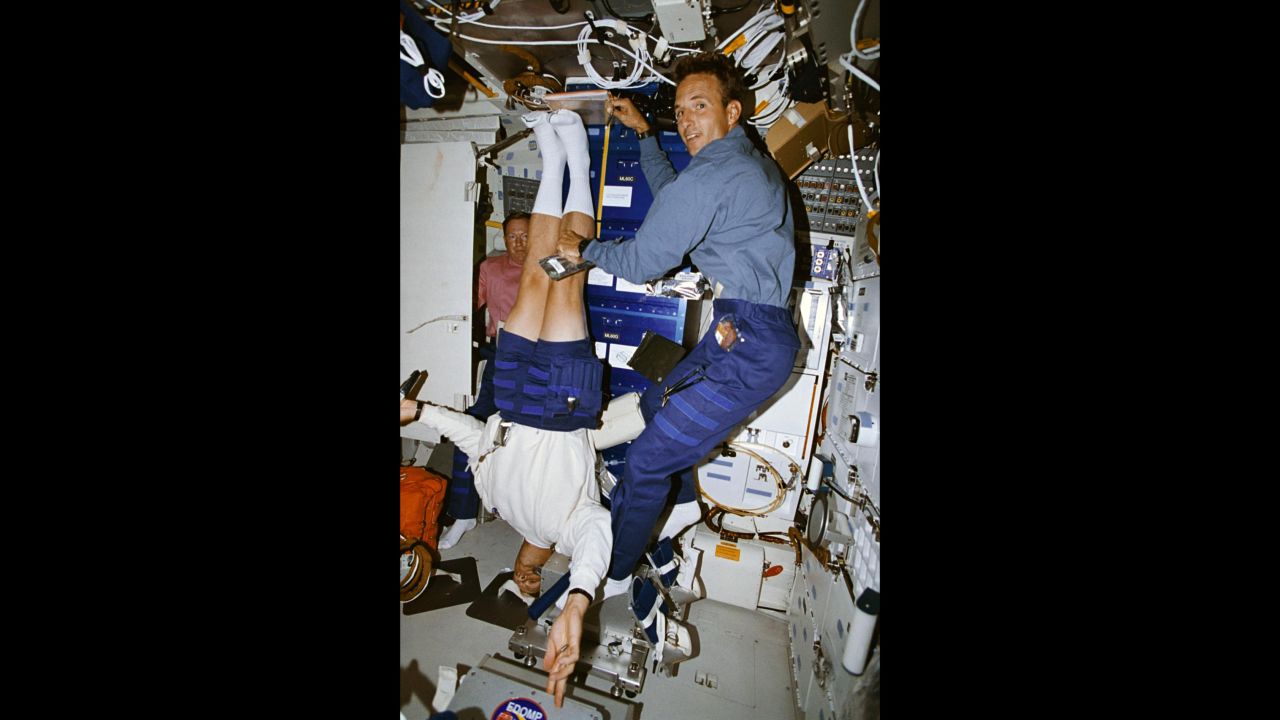
    In 1994, astronaut Mark Lee had his height measured by fellow astronaut Jerry Linenger as part of a study on back pain.

    Astronauts have been reporting back pain since the late 1980s, when space missions grew longer. Their flight medical data show that more than half of US astronauts have reported back pain, especially in their lower backs. Up to 28% indicated that it was moderate to severe pain, sometimes lasting the duration of their mission.

    Things don’t improve when they return to Earth’s gravity. In the first year after their mission, astronauts have a 4.3 times higher risk of a herniated disc.

    “It’s sort of an ongoing problem that has been a significant one with cause for concern,” said Dr. Douglas Chang, first author of the new study and associate professor of orthopedic surgery and chief of physical medicine and rehabilitation service at University of California San Diego Health. “So this study is the first to take it from just an epidemiological description and look at the possible mechanisms for what is going on with the astronauts’ backs.”

    Much attention has been focused on intervertebral discs, the spongy shock absorbers that sit between our vertebrae, as the culprit for the back issues that astronauts face. But the new study runs counter to that thinking. In this research, funded by NASA, Chang’s team observed little to no changes in the discs, their height or swelling.

    What they did observe in six astronauts who spent four to seven months on the ISS was a tremendous degeneration and atrophying of the supporting musculature in the lumbar (lower) spine, Chang said. These muscles are the ones that help us stay upright, walk and move our upper extremities in an environment like Earth, while protecting discs and ligaments from strain or injury.

    In microgravity, the torso lengthens, most likely due to spinal unloading, in which the spinal curvature flattens. Astronauts also aren’t using the muscle tone in their lower backs because they aren’t bending over or using their lower backs to move, like on Earth, Chang said. This is where the pain and stiffening occurs, much like if the astronauts were in a body cast for six months.

    MRI scans before and after the missions revealed that the astronauts experienced a 19% decrease in these muscles during their flight. “Even after six weeks of training and reconditioning here one Earth, they are only getting about 68% of their losses restored,” Chang explained.

    Chang and his team consider this a serious issue for long-term manned missions, especially when considering a trip to Mars that could take eight or nine months just to reach the Red Planet. That trip, and the astronauts’ potential time spent in Martian gravity – 38% of the surface gravity on Earth – creates the potential for muscle atrophy and deconditioning.

    The team’s future research will also look at reported neck issues, where there can be even more occurrences of muscle atrophy and a slower recovery period. They are also hoping to partner with another university on inflight ultrasounds of the spine, to look at what happens to astronauts while they are on the space station.

    Because nobody likes back pain and muscle loss, Chang suggested countermeasures that should be added to the already two- to three-hour workout astronauts have on the space station each day. Though their exercise machines focus on a range of issues including cardiovascular and skeletal health, the team believes that space travelers also need to include a core-strenghtening program focused on the spine.

    In addition to the “fetal tuck” position astronauts use in microgravity to stretch their lower back or alleviate back pain, Chang suggested yoga. But he knows that is easier said than done.

    “A lot of yoga depends on the effects of gravity, like downward dog, where a stretch through the hamstring, calf muscles, back of the neck and shoulders are possible because of gravity. When you remove that, you may not have the same benefit.”

    Any machines on the space station also have to be designed with regards to weight, size and even the reverberations they could produce on the station.
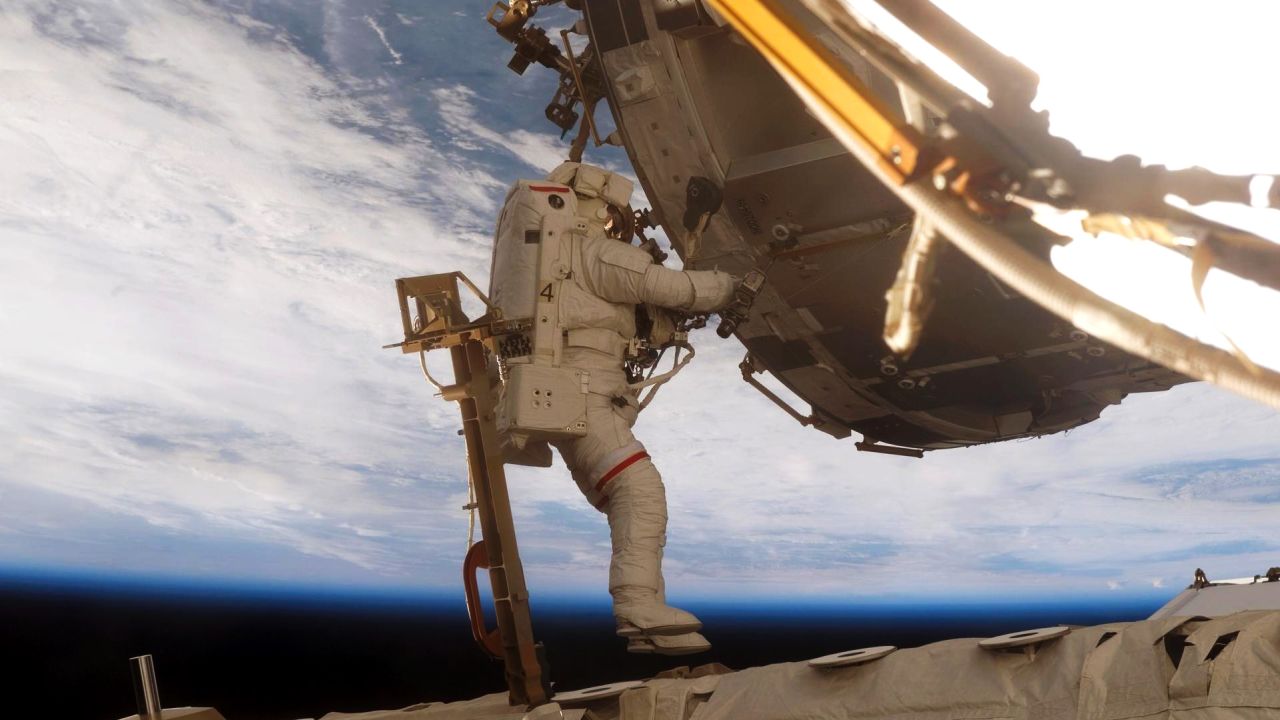
    Scott Parazynski, who walked in space seven times, assisted with construction on the space station in 2007.

    Chang and the other researchers brainstormed with a virtual reality team about different exercise programs that would enable astronauts to invite friends, family or even Twitter followers to join them in a virtual workout, making the daily repetition of their workouts more fun and competitive.

    One of Chang’s teammates has felt this pain personally. Dr. Scott Parazynski is the only astronaut to summit Mount Everest. He experienced a herniated disc after returning from the ISS to Earth. Less than a year later, when he attempted to climb Everest the first time, he had to be airlifted off. After a rehabilitation process, he eventually made the summit. Now, he speaks to current astronauts about the ways they can contribute to studies about their health in microgravity.

    Join the conversation

  • See the latest news and share your comments with CNN Health on Facebook and Twitter.

Keeping the astronauts healthy and fit is the least they can do, Chang said.

“When a crew comes back, they say on one side of the space station, they see this beautiful blue planet,” he said. “Everything they hold dear to them is on this fragile little planet. And they look out the other window and just see infinity stretching off into the blackness, and they come back with a different sense of themselves and their place in the universe.

“All of them are committed to furthering space knowledge and making incremental steps forward in any way they can for the next crew.”
المصدر

أخبار

  • This NASA astronaut voted from space

    Story highlights

    Shane Kimbrough is a NASA astronaut

    He voted in the 2016 election


    CNN
     — 

    From infinity and beyond, he found a way to vote.

    Shane Kimbrough, a NASA astronaut currently living on board the International Space Station, filed his ballot in Tuesday’s presidential election, according to a Tumblr post by NASA.

    NASA told Yahoo News that Kimbrough filed his ballot in the 2016 election from the space station sometime over the past few days.

    For astronauts who will be in space on Election Day, the voting process starts a year before launch. At that time, they are able to select the elections in which they want to participate.

    Then, six months before the election, astronauts are provided with the form “Voter Registration and Absentee Ballot Request – Federal Post Card Application.”

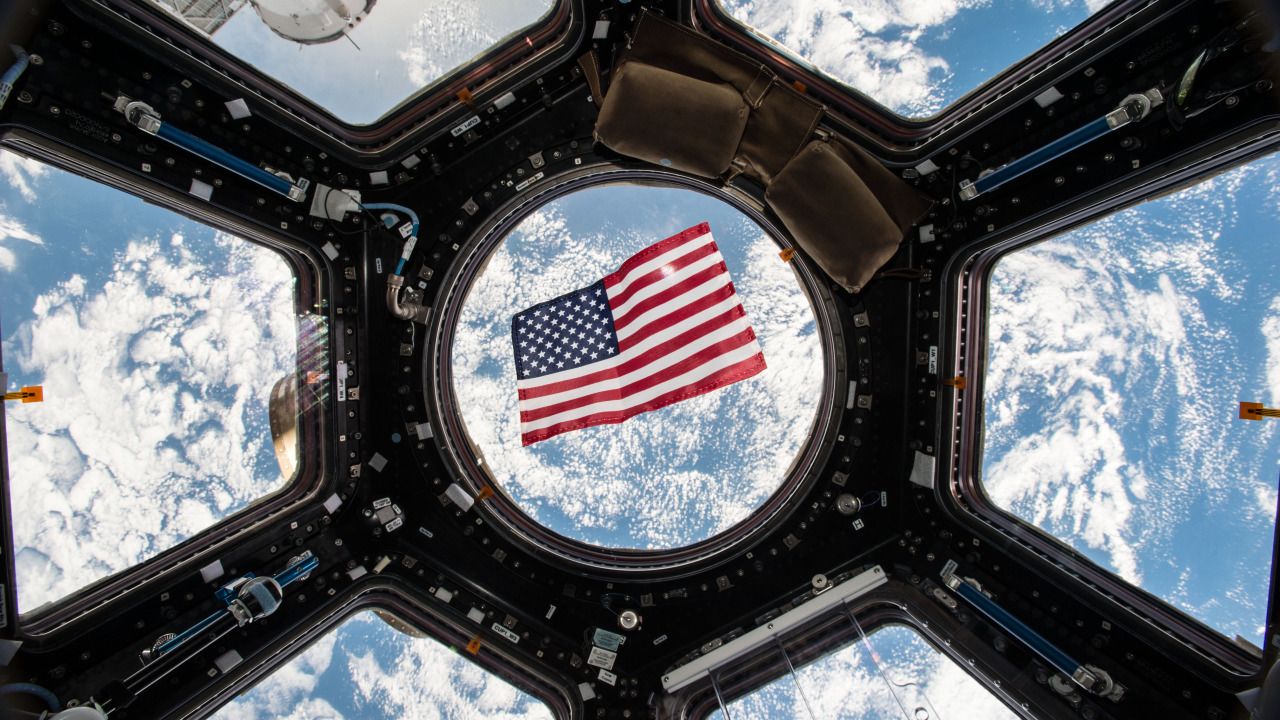
    Image Kjell Lindgren released on social media of the US flag floating in the Cupola module.

    NASA astronaut David Wolf was the first American to vote in space while on the Russian Mir Space Station in a 1997 local election, according to NPR.

    المصدر

    أخبار

  • What if you could wear a chair?

    Story highlights

    Japan’s innovative wearable devices includes Archelis, a “standing” chair designed for surgeons.

    Tokyo’s first Wearable Expo debuted in 2015 and was largest in the world.

    Japan’s wearable tech market is predicted to grow from 530,000 in 2013 to 13.1 million units in 2017.


    CNN
     — 

    What do Discman, Tamagotchi, and Game Boy have in common?

    They’re all landmark Japanese inventions from the 80s and 90s, symbols of an era when the Asian nation was a world leader in tech innovation.

    But with the rise of Silicon Valley, and American tech giants such as Google and Apple, has seen Japan produce less era-defining tech over the past two decades.

    That, says Professor Masahiko Tsukamoto, of Kobe University’s Graduate School of Engineering, is about to change thanks to a new generation of young entrepreneurs, an uptick in international collaborations, and new partnerships with university scientists.

    Japan’s focus this time around is not on smart phones or gaming, but wearable chairs, smart glasses and dog communication devices.

    In short, wacky wearable tech.

    In 2013, Japan sold 530,000 units of wearable tech devices, according to Yano Research Institute.

    That figure is predicted to leapfrog to 13.1 million units in 2017.

    Perhaps the best indication of the boom in this industry was the introduction of Tokyo’s first Wearable Expo in 2015 – at launch, it was the largest wearable tech fair in the world with 103 exhibitors.

    It has featured electronic kimonos, cat communication devices, and electronic gloves to record a pianist’s finger work.

    At the next show, from January 18 to 20, 2017, the organizers expect more than 200 exhibitors and 19,000 visitors.

    “With better functionality, lighter components and smaller designs, wearing devices is now no longer a fantasy,” says show director Yuhi Maezono. “Wearables are gathering attention as the next big growth market.”

    Inupathy is a dog harness slated to launch at the end of this year that will allow pet owners to communicate with their dogs.

    As well as a heart monitor, the harness features noise-canceling technology which can isolate the animal’s heartbeat and track its reactions to stimulus, such as food, games, people and toys.

    With this data, the harness assesses a dog’s mood and changes color to inform the owners.

    Equipped with six LED lights, the collar glows blue to show calm, red for excitement, and displays a rainbow theme for happiness.

    Joji Yamaguchi, CEO of Inupathy, was inspired by his Corgi, Akane, who was a nervous puppy. To better understand the dog’s anxiety, the biologist developed Inupathy to monitor his heart rate.

    “I always felt like I couldn’t understand Akane very well and I wanted to get be closer to him,” says Yamaguchi.

    “Buddhism and old Japanese religion says every animals, plants, and even rocks have spirit inside. It’s stressful when you can’t solve problems that are upsetting them.”

    Yamaguchi expects wearable wellness tracking will have applications for humans, too.

    “Personalization, of artificial intelligence will be a game-changer,” says Yamaguchi.

    “For instance, if you show a certain behavior before you start feeling depressed, predicting your depression from that behavior is extremely valuable for an individual. An AI that works personally for you will eventually make this possible.”

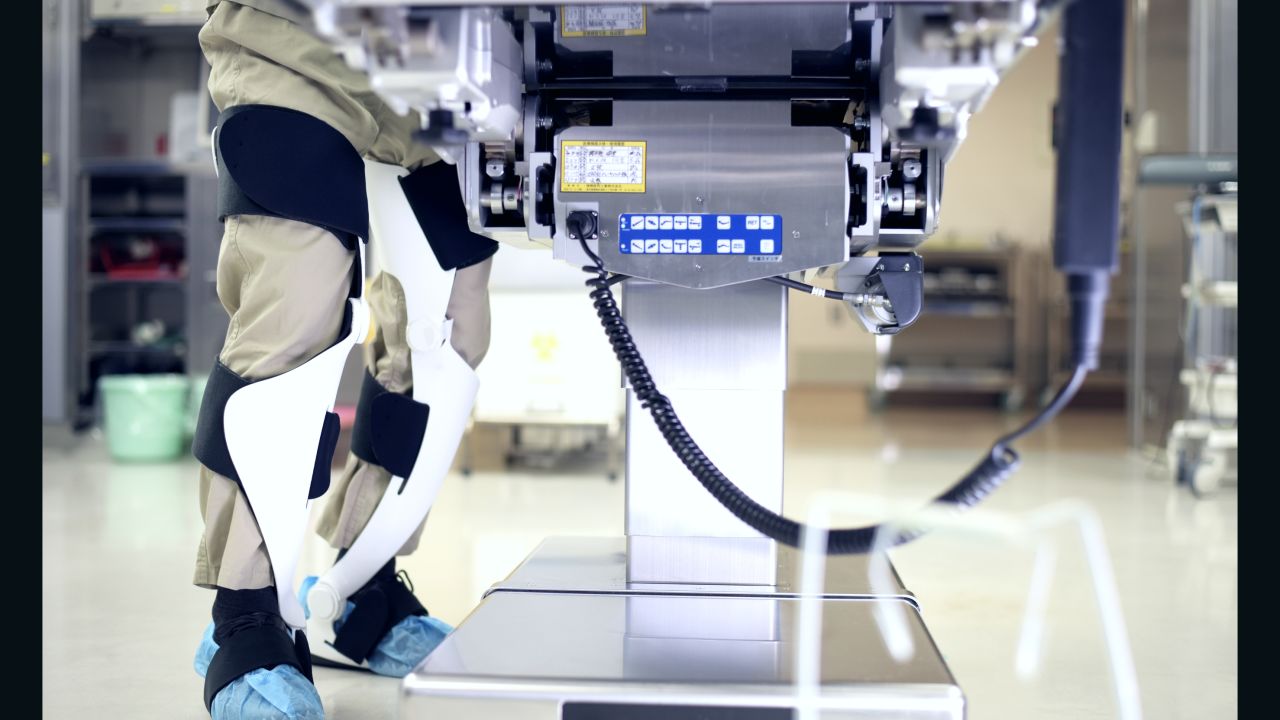
    Archelis – a wearable chair launched in Japan this year – is also creating a buzz internationally.

    A collaboration between Nitto mold factory, Chiba University, Japan Polymer Technology and Hiroaki Nishimura Design, in Japan, it was initially intended for surgeons, who need to rest their legs during long operations.

    The chair enables its wearer to effectively sit down and stand up at the same time.

    The Archelis chair.

    “The Archelis concept is very simple, like the simplicity of Columbus’ egg,” says Dr Hiroshi Kawahira, the surgeon behind the concept. “Long surgeries can result in back pain, neck pain, and knee pain – especially for surgeons who are older.”

    Made of 3D-printed panels, Archelis does not require any electrical components or batteries.

    The innovation is in the effective design: flexible carbon panels wrap around the buttocks, legs and feet to provide support and minimize pressure on joints.

    The system stabilizes the ankles and knees, so the pressure from being upright is spread evenly across the shins and thighs.

    Though the wearer appears to be standing, in fact, they are resting their back and legs while working on their feet.

    Other wearables are on the smaller side.

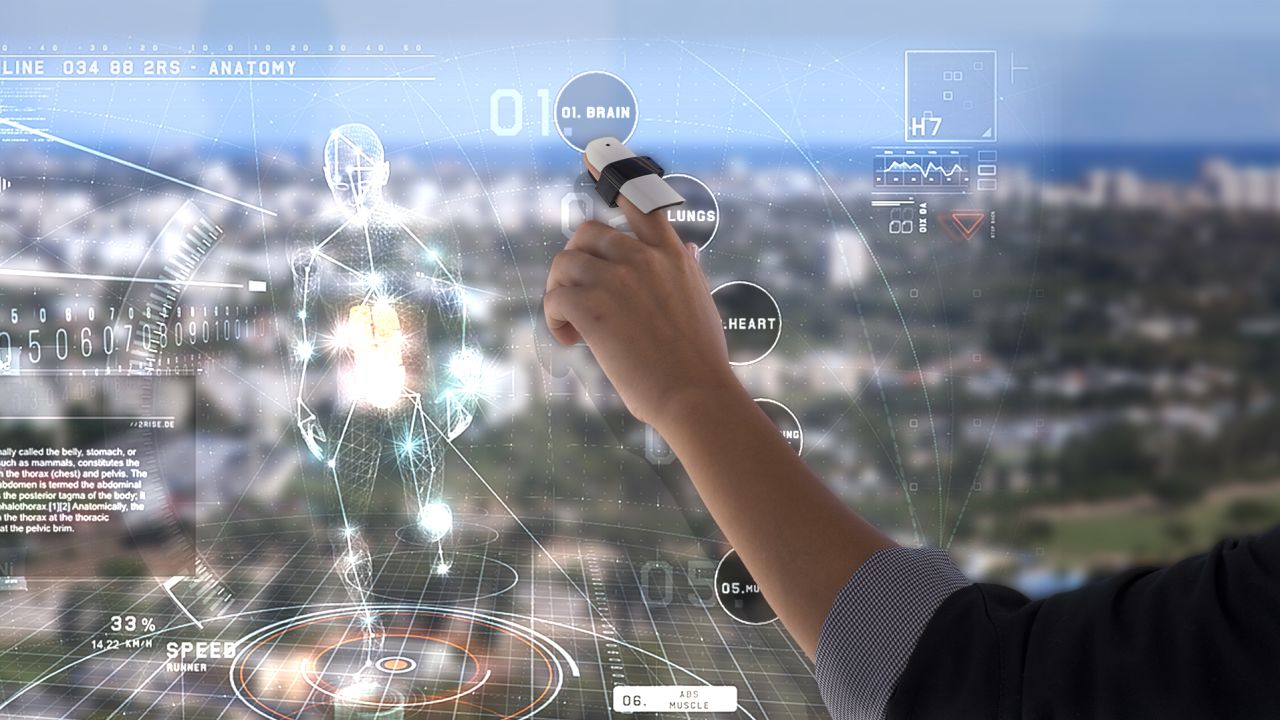
    Measuring about 3 inches long, BIRD is essentially a modern thimble that turns your fingertip into a magic wand.

    BIRD can control  up to 10 devices at a time.

    Using algorithms to decode a user’s intent, the device also features precise sensors that track direction, speed, and gestures.

    The technology enables users to turn any surface into a smart screen, as well as interact with other smart devices.

    Walking around at home, users can project a laptop screen onto a wall, switch on a coffee machine, read on any surface, and make online purchases with the point or swipe of a finger.

    The developers – Israel-based MUV Interactive and Japan-based Silicon Technology – expect BIRD to be embraced by the education and corporate sectors, thanks to its ability to create collaborative presentations.

    المصدر

    أخبار

  • Cell phones and screens are keeping your kid awake

    Cell phones and screens are keeping your kid awake

    Story highlights

    Devices in the bedroom are associated with children losing sleep time and quality, new research says

    Even children and teens who don’t stay up late online are losing sleep


    CNN
     — 

    These days, teachers often face classrooms filled with yawning students who stayed up late snapping selfies or playing online games.

    For children and teens, using cell phones, tablets and computers at night is associated with losing sleep time and sleep quality, new research finds. Even children who don’t use their phones or the other technologies littering their bedrooms at night are losing shut-eye and becoming prone to daylight sleepiness, the analysis published today in JAMA Pediatrics finds.

    The analysis found “a consistent pattern of effect across a wide range of countries and settings,” said Dr. Ben Carter, lead author and a senior lecturer in biostatistics at King’s College London.

    Carter and his colleagues weeded through the medical literature to identify hundreds of applicable studies conducted between January 1, 2011, and June 15, 2015. They chose 20 research reports involving a total of 125,198 children, evenly divided by gender, with an average age of 14½ years. After extracting pertinent data, Carter and his co-authors performed their own meta-analysis.

    Few parents will be surprised by the results: The team found a “strong and consistent association” between bedtime media device use and inadequate sleep quantity, poor sleep quality and excessive daytime sleepiness.

    Surprisingly, though, Carter and his team discovered that children who did not use their devices in their bedrooms still had their sleep interrupted and were likely to suffer the same problems. The lights and sounds emitted by the technology, as well as the content itself, may be too stimulating.

    Though Carter admits that a weakness of the analysis was “how the data was collected in the primary studies: self-reported by parents and children,” many of us will probably recognize our own families’ habits reflected in the statistics.

    A large-scale poll conducted in the United States by the National Sleep Foundation (PDF) reported in 2013 that 72% of all children and 89% of teens have at least one device in their sleep environment. Most of this technology is used near bedtime, that same report found.

    According to Carter and his co-authors, this omnipresent technology negatively influences children’s sleep by delaying their sleep time, as they finish watching a movie or play one more game.

    Light emitted from these devices may also affect the circadian rhythm, the internal clock timing biological processes, including body temperature and hormone release, the researchers explain. One specific hormone, melatonin, induces tiredness and contributes to the timing of our sleep-wake cycles. Electronic lights can delay the release of melatonin, disrupting this cycle and making it harder to fall asleep.

    Carter and his co-authors also suggest that online content may be psychologically stimulating and keep children and teens awake far past the hour when they turn off their devices and try to sleep.

    “Sleep is vital for children,” said Dr. Sujay Kansagra, director of the pediatric neurology sleep medicine program at Duke University Medical Center, who was not involved in the new analysis. “We know that sleep plays a crucial role in brain development, memory, self-regulation, attention, immune function, cardiovascular health and much more.”

    Kansagra, author of “My Child Won’t Sleep,” noted that the period of greatest brain development is in our first three years of life, which corresponds to when we need and get the most sleep. “It’s hard to believe that this would be a coincidence.”

    Kansagra said it’s possible that parents underreported kids using devices at night, but more likely, the technology is simply interfering with sleep hygiene. “For example, children who are allowed to keep devices in their room may be more likely to avoid a good sleep routine, which we know is helpful for sleep,” he said.

    Dr. Neil Kline, a representative of the American Sleep Association, agrees that sleep plays an integral role in a child’s healthy development, even though “we don’t know all of the science behind it. There is even some research which demonstrates an association between ADHD and some sleep disorders.”

    In many respects, the findings of the new study are no surprise. “Sleep hygiene is being significantly impacted by technology, especially in the teen years,” said Kline, who bases his opinion not only on research but on his own “personal experience and also the anecdotes of many other sleep experts.”

    Join the conversation

  • See the latest news and share your comments with CNN Health on Facebook and Twitter.
  • Sleep hygiene – tips that help facilitate good, continuous and adequate sleep – include having a room that is quiet. “And that would mean removing items that interfere with sleep, including electronics, TV and even pets if they interfere with sleep,” Kline said.

    One more important tip comes from the National Sleep Foundation, which recommends at least 30 minutes of “gadget-free transition time” before bedtime. Power down for better sleep.

    Other recommendations for good sleep hygiene include not exercising (physically or mentally) too close to bedtime; establishing a regular sleep schedule; limiting exposure to light prior to sleep; avoiding stimulants such as alcohol, caffeine and nicotine in the hours before bedtime; and creating a dark, comfortable and peaceful sleep environment.

    المصدر

    أخبار

  • ناسا تنشر صورة لـ3 مركبات فضائية ستشارك بمهماتها القادمة من Artemis إلى القمر

    ناسا تنشر صورة لـ3 مركبات فضائية ستشارك بمهماتها القادمة من Artemis إلى القمر


    شاركت وكالة ناسا صورة لثلاث مركبات فضائية ستلعب دورًا مركزيًا في مهماتها الثلاث القادمة من Artemis إلى القمر، وتشرف وكالة الفضاء الأمريكية الكبسولات، يأتي ذلك بعد أن نجحت في اختبار مركبة أوريون الفضائية على القمر في نهاية العام الماضي، والانطلاق إلى الفضاء بواسطة صاروخ نظام الإطلاق الفضائي الجديد التابع لناسا.


    وفي الصورة تظهر مركبة Orion الخاصة بـ Artemis II على اليمين، داخل الخليج العالي لمبنى Neil Armstrong Operations and Checkout في مركز كينيدي للفضاء التابع لناسا في فلوريدا. أرتميس الثالث على اليسار، وأرتميس الرابع في المنتصف.


    قامت شركة Lockheed Martin المصنعة Orion بتغريد نفس الصورة مع التعليق: “مستقبل NASA Orion يبدو جيدًا جدًا.”


    وقالت ناسا إن كل كبسولة من كبسولة أوريون في مرحلة مختلفة من الإنتاج حيث يقوم الفنيون والمهندسون بإعداد المركبة الفضائية لنقل رواد الفضاء نحو القمر في المهمات القادمة.


    قام الفنيون مؤخرًا بتركيب الدرع الحراري على وحدة طاقم Artemis II ، وتهدف الفرق إلى إجراء اختبارات صوتية في الأشهر القليلة المقبلة. عندما تكون جاهزة سيتم ربط وحدة الطاقم بوحدة الخدمة استعدادًا للمهمة القمرية.


    ومن المقرر حاليًا عرض Artemis II في نوفمبر 2024 وسيحمل رواد فضاء ناسا كريستينا كوخ وفيكتور جلوفر وريد وايزمان، بالإضافة إلى رائد فضاء وكالة الفضاء الكندية جيريمي هانسن. 


    ولن يهبط رواد الفضاء على سطح القمر، بل يقومون بدلاً من ذلك برحلة طيران بالقرب من سطح القمر على مسافة قصيرة من سطح القمر قبل العودة إلى ديارهم حسبما نقلت Digitartlends.


    وستمهد المهمة الناجحة الطريق لأرتميس الثالث، الذي سيسعى إلى صعود أول امرأة وأول شخص ملون على سطح القمر،  في هذه المهمة سينقل Orion رواد الفضاء إلى مدار حول القمر حيث سينتقلون إلى نسخة معدلة من مركبة هبوط المركبة الفضائية SpaceX. 


    في حين أن موعد الرحلة المقرر حاليًا عام 2025، فإن التمسك بهذا التاريخ يعتمد إلى حد ما على التقدم الذي تحرزه سبيس إكس مع اختبار المركبة سوبر هيفي و ستارشيب.


    في غضون ذلك ، من المقرر أن يكون Artemis IV في عام 2028 وسيضع رواد الفضاء أيضًا على سطح القمر.


    المصدر

    خدمات تحسين محركات البحث