الكاتب: kafej

  • Militant group suspected of attack that killed three US troops pauses operations | World News

    Militant group suspected of attack that killed three US troops pauses operations | World News

    Militant group suspected of attack that killed three US troops pauses operations | World News

    Militant group suspected of attack that killed three US troops pauses operations | World News

    A militant group that’s among those suspected of an attack that killed three US soldiers is pausing operations to “prevent embarrassment” to the Iraqi government.

    Kata’ib Hezbollah is one of several factions American officials believe may have carried out the drone attack in Jordan.

    Three army reservists died and more than 40 were injured in Sunday’s attack on the US base, with President Joe Biden promising to respond.

    Middle East latest: Iraqi militant group vows to suspend attacks on US forces

    The group announced in a statement “the suspension of military and security operations against the occupation forces in order to prevent embarrassment to the Iraqi government”.

    US forces in the Middle East have faced dozens of attacks blamed on Iran-backed militia since the start of the Israel-Hamas war.

    Image:
    Map of Jordan

    Kata’ib Hezbollah is an elite armed faction that’s close to Iran, and was founded in the aftermath of the 2003 invasion of Iraq.

    It views American troops as foreign occupiers and while it technically answers to Iraq’s prime minister, it has until now defied government statements urging an end to attacks on US forces.

    The US designated it a terrorist organisation in 2009, and an American drone strike killed its leader Abu Mahdi al-Muhandis in 2020 at Baghdad airport.

    An Iraqi government spokesman said on Monday it was “monitoring with a great concern the alarming security developments in the region” and called for “an end to the cycle of violence”.

    Please use Chrome browser for a more accessible video player


    2:50

    How will the US avoid escalation?

    However, US officials are believed to be still determining exactly who attacked the Tower 22 base in northeastern Jordan.

    The base includes engineering, aviation, logistics and security troops, with about 350 US army and air force personnel deployed.

    Read more:
    Who are the Iran-backed militia groups carrying out attacks?
    The West is now embroiled in widening Middle East conflict
    British warship shoots down Houthi drone

    Image:
    (AP Photo/Jacquelyn Martin)

    President Biden said on Tuesday he’d made up his mind on how to respond to the deaths of soldiers William Jerome Rivers, 46, Kennedy Ladon Sanders, 24, and Breonna Alexsondria Moffett, 23.

    Experts have said he faces one of the most important decisions of his presidency – how to respond robustly without triggering a wider conflict in an already extremely tense region.

    Mr Biden did not give any details of his response, but added: “I don’t think we need a wider war in the Middle East. That’s not what I’m looking for.”

    Please use Chrome browser for a more accessible video player


    2:12

    US weighs up drone strike response

    National Security Council spokesman John Kirby said the retaliation could come in phases.

    “It’s very possible that what you’ll see is a tiered approach here, not just a single action, but potentially multiple actions over a period of time,” he told reporters on Air Force One.

    Meanwhile, Pentagon spokeswoman Sabrina Singh said commanders were still looking into reports that failure to shoot down the drone as it approached the base may have been a human error.

    US officials, speaking anonymously, have said it could have been mistaken for a returning drone of their own.

    There have been 166 attacks on US military installations since 18 October, shortly after the Hamas terror attack on Israel on 7 October, according to a US military official.

    It’s said to comprise 67 in Iraq, 98 in Syria and one in Jordan.

    المصدر

    أخبار

    Militant group suspected of attack that killed three US troops pauses operations | World News

  • طقس الصباح الباكر.. ضباب على أجزاء من الشرقية

    طقس الصباح الباكر.. ضباب على أجزاء من الشرقية

    طقس الصباح الباكر.. ضباب على أجزاء من الشرقية

    طقس الصباح الباكر.. ضباب على أجزاء من الشرقية

    نبه المركز الوطني للأرصاد من انتشار الضباب على أجزاء من المنطقة الشرقية خلال ساعات الصباح الباكر، حتى الساعة 9 صباح اليوم الأربعاء، مع شبه انعدام في مدى الرؤية الفقية (1 - 3) كيلومترات.
    ويشمل التنبيه: الجبيل والخبر والخفجي والدمام والقطيف ورأس تنورة والأحساء والعديد وبقيق والنعيرية وحفر الباطن وقرية العليا.
    الإنذار البرتقالي - #المنطقة_الشرقية - #الجبيل #الخبر #الخفجي ...+2
    للتفاصيل https://t.co/G5THNuvf5v #الإنذار_المبكر #طقس_السعودية#المركز_الوطني_للأرصاد pic.twitter.com/XPKBMcIrGs— المركز الوطني للأرصاد (NCM) (@NCMKSA) January 30, 2024
    المصدر
    أخبار طقس الصباح الباكر.. ضباب على أجزاء من الشرقية

  • خطة كاميرون… تبدأ بوقف النار وتنتهي بدولة فلسطينية

    خطة كاميرون… تبدأ بوقف النار وتنتهي بدولة فلسطينية

    خطة كاميرون… تبدأ بوقف النار وتنتهي بدولة فلسطينية

    خطة كاميرون... تبدأ بوقف النار وتنتهي بدولة فلسطينية
    أعلن وزير الخارجية البريطاني اللورد ديفيد كاميرون أن لندن تدرس الاعتراف بدولة فلسطينية، وحضّ الحلفاء على الاعتراف بها في «الأمم المتحدة». وشدّد كاميرون.

    المصدر

    أخبار

    خطة كاميرون… تبدأ بوقف النار وتنتهي بدولة فلسطينية

  • Iran and the US were once friends – what happened? | World News

    Iran and the US were once friends – what happened? | World News

    Iran and the US were once friends – what happened? | World News

    Iran and the US were once friends - what happened? | World News

    It seems strange to think in this chaotic febrile epoch we are living in, but once upon a time Iran and the United States were friends.

    But the Islamic Revolution of 1979 changed that, and since then the two states have seen tensions escalate again and again.

    So much so, that there’s now the real possibility of a direct confrontation between the two foes.

    The killing of three American servicemen in Jordan by Iranian-backed militias is the latest episode in a bitter rivalry that’s now four decades old.

    But let’s first wind back.

    Image:
    Supporters of Ayatollah Khomeini in Tehran during the revolution in 1979. Pic: Reuters

    British and US intelligence were pivotal in helping the Iranian military overthrow Iran’s prime minister, Mohammad Mossadeq, in 1953.

    This intervention, or meddling, as it was seen in the country, brought back to power the unpopular western-leaning monarchy of Shah Mohammad Reza Pahlavi, who was heavily dependent on US support for his power.

    At the heart of this support was the promise of access to the country’s natural resources, particularly oil.

    But, this alliance would soon be disrupted.

    In 1979 the ground starts shifting across the country with a wave of civil unrest and popular protest.

    Image:
    Ayatollah Khomeini speaks from a balcony in February 1979. Pic: Reuters

    This uprising would see the grand ayatollah, Ruhollah Khomeini, return from years of exile – his platform and power fuelled by vehement opposition to what he considered a servile pro-western monarchy.

    Taking power with an iron grip, the new Supreme Leader would transform the country into a radical Islamic theocracy.

    But this takeover would not end at Iran’s borders.

    At the heart of the transformation, there was a desire to spread the revolution to neighbouring countries – a project that continues to this day.

    In 1985 the emerging militant group Hezbollah pledged its allegiance to Khomeini – that relationship has gone from strength to strength.

    And thanks to Iran’s patronage Hezbollah is now the most powerful militant group in the world, often described as a state within a state in Lebanon.

    Please use Chrome browser for a more accessible video player


    3:05

    How does Iran influence the Middle East?

    The spread of Iranian influence would grow exponentially over the next four decades, increasingly setting the country on a collision course with the United States and its allies.

    The first big clash came quickly.

    It arose after 52 American diplomats and citizens were taken hostage at the US embassy by radical Iranian students.

    They were held for 444 days from 4 November 1979 until their release in 1981.

    The US saw this as a serious breach of international law, but in Iran it was viewed as a blow against excessive US influence and meddling in the country.

    It also burnished the credentials of the new regime, who opposed normalising relations with western countries – particularly America, which was labelled the Great Satan by the ayatollahs in their increasingly fiery speeches about foreign policy.

    Image:
    Remains of a burned-out US helicopter in the eastern desert region of Iran in 1980. Pic AP


    Operation Eagle Claw – a disastrous US attempt to free the hostages – saw a helicopter crash into a transport aircraft, causing a fire that killed eight servicemen.

    During this time the US had cut diplomatic ties with Iran and banned most trade – things were not looking great.

    In 1980 Iraq invaded Iran – the countries had been massive rivals but were now at war. The United States lent its hefty support to Iraq led by Saddam Hussein. The fighting, which dragged on until 1988, saw huge casualties on both sides but it is estimated as many as one million Iranians died in the conflict.

    Relations with the US would remain bad. The Beirut Barracks bombing, Operation Praying Mantis, the Iran-Contra Affair and sanctions were the punctuation marks for two countries ideologically opposed, that were seemingly always at, or close to conflict.

    That was until 1998 when there appeared to be glimmers of hope that relations were improving. Secretary of state Madeleine Albright met with Iran’s deputy foreign minister – it was the highest level contact since the revolution but it would not last.

    Image:
    An Iranian woman walks past a US helicopter that crashed in Iran in 1980. Pic: Reuters

    A few years later in 2002 and in a seminal speech President George Bush was labelling Iran as part of the “axis of evil” – its bedfellows Iraq and North Korea.

    US officials would also claim Iran was operating a clandestine nuclear programme with the intent of building a bomb.

    These were the years after 9/11.

    Attempts to reach diplomatic understandings since then have mostly ended in failure.

    President Barack Obama tried to use the carrot of sanctions relief to tame Iran’s nuclear program.

    The agreement would eventually emerge as the Joint Comprehensive Plan of Action (JCPOA).

    Read more:
    Who are the Iran-backed militia groups carrying out attacks?
    International court rules on alleged Israel genocide case

    Image:
    Iran’s President Mahmoud Ahmadinejad at the Natanz nuclear facility. Pic: Reuters

    It was hoped that the deal would steer Iran away from the big bomb, or at the very least slow progress; but many Republicans viewed it with suspicion arguing that it – along with the lifting of sanctions – gave the Iranians more power to spread their pernicious influence across the region.

    Enter stage Donald Trump. Exit stage deal. The one-time – but perhaps soon to be two – US president ripped up the agreement when he withdrew America from the JCPOA.

    Iran and America were soon back in a spiral of escalation. President Trump would later designate the Iranian Revolutionary Guard Corps (IRGC) a terror organisation.

    Perhaps, the most significant event that underlines how broken the relationship is and how far apart the two countries have become came in the form of a US drone strike on 3 January 2020.

    Image:
    Qassem Soleimani was assassinated. Pic: AP

    Qasem Soleimani, the commander of the IRGC Quds force and one of the most powerful men in Iran – and by extension the region – was killed in the attack in Baghdad.

    The American action sent shockwaves through the Middle East and Iran vowed revenge.

    The regime also stated it would no longer restrict its nuclear program.

    All of this forms the backdrop to current events. It is hard to see in the present climate how things can improve.

    In fact, with the war raging in Gaza and Iranian-backed militias across the region taking pot shots at US forces, things look set to get even worse.

    المصدر

    أخبار

    Iran and the US were once friends – what happened? | World News

  • لصا مواتير المياه فى الدرب الأحمر: نفذنا 3 جرائم بأسلوب الفك

    لصا مواتير المياه فى الدرب الأحمر: نفذنا 3 جرائم بأسلوب الفك

    لصا مواتير المياه فى الدرب الأحمر: نفذنا 3 جرائم بأسلوب الفك

    لصا مواتير المياه فى الدرب الأحمر: نفذنا 3 جرائم بأسلوب الفك


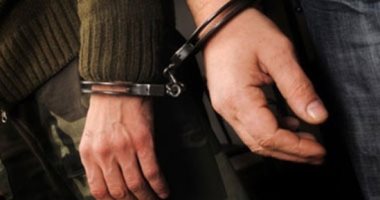
    أدلى عاطلان باعترافات تفصيلية أمام النيابة العامة في محكمة جنوب القاهرة، تفيد قيامهما بتكوين تشكيل عصابى تخصص نشاطه في سرقة مواتير المياه في العقارات في منطقة الدرب الأحمر.


    وكشفت تحقيقات النيابة، أن المتهمان لهما معلومات جنائية واعترفا بارتكاب 3 جرائم سرقة سابقة بأسلوب الفك من عقارات مختلفة في دائرة القسم وبالضغط عليهما أرشدا عن المسروقات وباستدعاء المجنى عليهم تعرفوا على المضبوطات ووجها لهما تهمة السرقة.


    عقوبة السرقة


    وتعاقب المادة 318 من قانون العقوبات من يرتكب واقعة السرقة بمدة لا تتجاوز سنتين على السرقات التى لم تقترن بظرف من الظروف المشددة.


    ويعاقب بالحبس مع الشغل 3 سنوات على السرقات التى يتوافر فيها ظرف من الظروف المشددة المنصوص عليه فى المادة 317، ويجوز فى حالة العودة تشديد العقوبة وضع المتهم تحت مراقبة الشرطة مدة سنة على الأقل أو سنتين على الأكثر، وهى عقوبة تكميلية نصت عليها المادة 320 عقوبات.

    المصدر

    أخبار

    لصا مواتير المياه فى الدرب الأحمر: نفذنا 3 جرائم بأسلوب الفك